Vitamin E Deficiency

As we eat more processed foods the amount of vitamin E in our diet continues to plummet. On this page, we will show you risks of not getting enough vitamin E.

Vitamin E Requirements


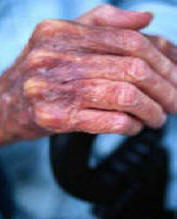
An early sign of vitamin E deficiency are lipofuscin or age spots.
©2006 Publicaitons International, Ltd.
An early sign of vitamin E deficiency
 are lipofuscin or age spots.


The RDA (recommended daily allowance) for vitamin E is 15 mg of d-alpha-tocopherol for adult men and women (1 mg of d-alpha-tocopherol is equal to 1.5 IU, so the RDA is equal to 22.5 IU). Food and supplement labels usually list amounts of vitamin E in milligrams rather than international units.

Side Effects of Vitamin E Deficiency

No obvious symptoms accompany a vitamin E deficiency, making it hard to detect. A brownish pigmentation of the skin, called age spots or lipofuscin, may signal the problem, but only a blood test can confirm that vitamin E levels are too low.


When diseases of the liver, gall bladder, or pancreas reduce intestinal absorption, a mild deficiency of vitamin E can result. A diet of processed foods that's very low in fat might also cause a deficiency.

Vitamin E deficiency can occur in newborn babies, especially those born prematurely, because the mother doesn't transfer much vitamin E to the developing fetus until the last few weeks of pregnancy.

The deficiency can cause hemolytic anemia, a condition in which the red blood cells are so fragile they rupture.

As we mentioned earlier, it has become increasingly difficult a sufficient amount of vitamin E in our diet. In our final section, we will look at the safety and utility of vitamin E supplements.
Definition

Vitamin E deficiency is a very rare problem that results in damage to nerves. When vitamin E deficiency does occur, it strikes people with diseases that prevent the absorption of dietary fats and fat-soluble nutrients. Since vitamin E is a fat-soluble vitamin, it has some of the properties of fat.

Description

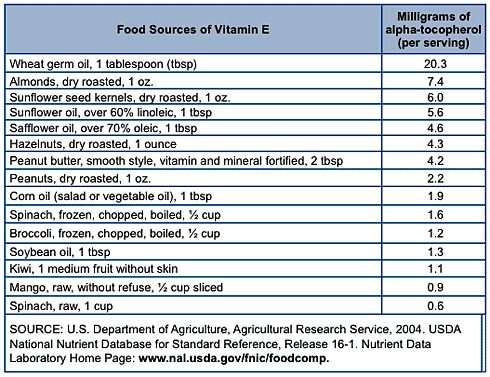
The recommended dietary allowance (RDA) for vitamin E is 10 mg/day for the adult man, 10 mg/day for the adult woman, and 3 mg/day for the infant. Vitamin E occurs in foods in a variety of related forms. The most potent and useful form of vitamin E is called alpha-tocopherol. The best sources of vitamin E are vegetable oils, such as corn oil, soy oil, and peanut oil. Animal fats, such as butter and lard, contain lower levels of the vitamin. Corn oil contains about 16 mg of alpha-tocopherol per 100 g oil. Wheat-germ oil contains 120 mg alpha-tocopherol per 100 g oil. Fish, eggs, and beef contain relatively low levels of the vitamin, with about 1 mg per 100 g food.

Vitamin E seems to have only one function in the body: the prevention of the natural and continual process of deterioration of all body tissues. This deterioration is provoked by a number of causes; one of these is toxic oxygen. During the body's metabolism of atmospheric oxygen, toxic oxygen is produced continuously in the body by the formation of by-products. These toxic by-products include hydrogen peroxide, superoxide, and hypochlorite.

Hypochlorite is a natural product, produced by cells of the immune system. It is also the active component of bleach. Once formed, toxic oxygen can damage various parts of the body, such as the membranes which form the boundaries of every cell. Vitamin E serves the body in protecting membranes from toxic oxygen damage. In contrast, vitamin C serves to protect the aqueous, or watery, regions of the cell from toxic oxygen damage. The membranes that are most sensitive to toxic oxygen damage are the membranes of nerves; therefore, the main symptom of vitamin E deficiency is damage to the nervous system.

Causes and symptoms

As mentioned, when vitamin E deficiency occurs, it strikes people with diseases that prevent the absorption of dietary fats and fat-soluble nutrients. These diseases include cystic fibrosis, pancreatitis, and cholestasis (bile-flow obstruction). Bile salts, produced in the liver, are required for the absorption of fats. Cholestasis causes a decrease in the formation of bile salts and the consequent failure of the body to absorb dietary fats. For this reason, this disease may result in vitamin E deficiency. Premature infants may be at risk for vitamin E deficiency because they may be born with low tissue levels of the vitamin, and because they have a poorly developed capacity for absorbing dietary fats. Infants suffering from fat-malabsorption diseases can develop symptoms of vitamin E deficiency by age two. In adults, the onset of a fat-malabsorption disease can provoke vitamin E deficiency after a longer period, as an example, ten years.

Patients with colorectal cancer caused by the so-called Ki-ras mutation have also been shown to absorb less vitamin E from their diet than either normal control subjects or cancer patients without the mutation. The relationship between genetic mutations and dietary factors requires more intensive study.

Vitamin E deficiency in humans results in ataxia (poor muscle coordination with shaky movements), decreased sensation to vibration, lack of reflexes, and paralysis of eye muscles. One particularly severe symptom of vitamin E deficiency is the inability to walk.

Another symptom of early vitamin E deficiency in children with cystic fibrosis is a decline in cognitive function, which results in difficulty with reading and falling behind in other intellectual skills during the elementary school years. Researchers have urged the introduction of neonatal screening in order to offset the potential effects of early vitamin E deficiency.

More recently, the suggestion has been made that vitamin E deficiency may be involved in the development of partial open-angle glaucoma (POAG), an eye disorder whose causes are not fully understood as of the early 2000s. The possibility that POAG is a vitamin-deficiency disorder, however, needs further research.

Diagnosis

Vitamin E status is measured by assessment of the content of alpha-tocopherol in the blood plasma, using a method called high-pressure liquid chromatography. Blood plasma levels of alpha-tocopherol that are 5.0 mg/l, or above, indicate normal vitamin E status; levels below 5.0 mg/l indicate vitamin E deficiency.

Treatment

Vitamin E deficiency that occurs with cholestatic liver disease or other malabsorption syndromes can be treated with weekly injections of 100 mg alpha-tocopherol that may continue for six months. Vitamin E deficiency in premature infants may require treatment for only a few weeks.

Prognosis

The prognosis for correcting the neurological symptoms of vitamin E deficiency is fair to excellent.

Prevention

The prevention of vitamin E deficiency should not be a concern for most people, since the vitamin is found in a wide variety of foods. Attention has been given to the theory that vitamin E serves to protect against cancer and atherosclerosis. The evidence that normal levels of vitamin E protect against atherosclerosis is fairly convincing. However, there is little or no proof that vitamin E intake, above and beyond the recommended daily allowance (RDA), can prevent cancer or atherosclerosis.

Key Terms