Dysautonomia
Autonomic nerves disorder
CIDPUSA.ORG
Autoimmune diseases web,
😏cidpusa.orgYour autonomic nervous system is the part of your nervous system that controls automatic actions, such as the beating of your heart and the widening or narrowing of your blood vessels. When something goes wrong in this system, it can cause serious problems, including
Introduction to Dysautonomia
Dysautonomias include (FMS) fibromyalgia, chronic fatigue syndrome, syncope (blackout), panic attacks, anxiety, tachy- cardia, irritable bowel syndrome (IBS,) & postural orthostatic tachycardia syndrome (POTS,)
A imbalance in the autonomic nervous system called dysautonomia is seen in these patients.
The autonomic nervoThe autonomic nervous system controls the
"unconscious" bodily functions, such as heart rate, digestion, and breathing patterns.

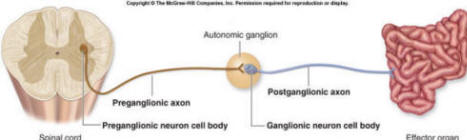
The autonomic nervous system consists of two parts: the sympathetic system and the parasympathetic system. The sympathetic system can best be thought of as controlling the
"fight or flight" reactions of the body, causing fast heart rates, increased breathing, and increased blood flow to the muscles that are necessary when an individual is in danger or under stress.

The parasympathetic system controls the "quiet" body functions, for instance, the digestive system. In short, the sympathetic system gets the body ready for action, while the parasympathetic system gets the body ready for rest. In normal individuals, the parasympathetic and sympathetic components of the autonomic nervous systems are in perfect balance.
In people suffering from dysautonomia, the autonomic nervous system loses that balance, and at various times the parasympathetic or sympathetic systems dominate. Symptoms include frequent, vague but disturbing aches and pains, faintness (or even actual fainting spells), fatigue, anxiety attacks, tachycardia, hypotension, poor exercise tolerance, gastrointestinal symptoms such as irritable bowel syndrome, sweating, dizziness, blurred vision, numbness and tingling, anxiety and (quite understandably), depression.
Sufferers of dysautonomia can experience all the symptoms or just a few of them. They can experience one cluster of symptoms at one time, and another set of symptoms at other times. The symptoms are often unpredictable, but they can be triggered with exertion, standing up, or after ingesting certain foods. Since people with dysautonomia are normal in every way, when the doctor does a physical exam they often finds no abnormalities. Full treatment is available at our clinic Please continue to small fiber
neuropathy
😏