😃
To reduce stress the best vitamin is Niacin or Nicinamaide taken once a day. Please see more information on Niacin at Niacin page link
Complete detail and explanation on Amnesia
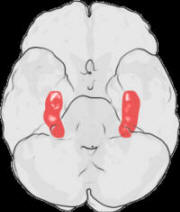
Transient global amnesia (TGA) is a sudden onset of memory disorder or amnesia forgetfulness of events. When this condition comes on the person cannot remember anything in the past or present , the person may has repeated questions like,
1) Who am I.
2) Where am I.
Once the answer is told they still keep forgetting. This may last a few minutes to hours which is common but rare people may have repeated episodes. The best treatment is rest if any curry powder, omega-3 or sedative is available that will do the job and the person will wake up fine the next morning.
These questions are repeated almost continuously in some patients. Others may suddenly become quiet.
The condition can last a few hour or a few days and may was and wane and will slowly improve. It may come in attacks for a few days but will eventually stop. This condition
Textbooks describe this sudden, temporary disturbance in an otherwise healthy person's memory. The other main kinds of amnesia are called anterograde and retrograde amnesia. Anterograde amnesia is a type of memory loss associated with a trauma, disease, or emotional events. It is characterized by the inability to remember new information. Retrograde amnesia is associated with the loss of distant memories usually preceding a given trauma.
Thiamine deficiency can also cause amnesias and should be evaluated in all such patients.
In transient global amnesia, during the period of amnesia, people suffering from the disorder cannot remember recent occurrences nor can they retain any new visual or verbal information for more than a couple minutes. Though patients may or may not remember their own identities, they are often confused by their surroundings and the people around them. They continuously ask questions about events that are transpiring, for example where they are, who is with them, what is happening. However, once they are told, they immediate forget the answer, and repeat the question again.
The period of amnesia can last anywhere from one to twenty-four hours. Some people suffer from a headache, dizziness, and nausea while others have only memory loss. TGA generally affects fifty to eighty-year-old men, about 3.4 to 5.2 people per 100,000 per year. People afflicted with transient global amnesia always recover and can remember the memories that were lost during the episode. Once they regain their memory, some people, can recall both the episode and the feeling of not being able to remember. However, others never recover the memories of the attack nor the events immediately before.
continue to next page of memory & TGA