In God we Trust                 Number 1 site for helping reverse diseases on Planet Earth
cidpUSA Foundation

 cidpusa.org   


      Home
      Diagnosis
      Treatment
      Pathology
      Variants
      CIDP info
      Fibromyalgia
      IVIG
      Diet anti-inflammatory
      Burning  Feet Home
      Services Page
      Chronic Fatigue
      Autoimmune diseases
      Prognosis
      Bible healing
      Celiac disease
Bible page

Autoimmune self attack

What is autoimmune

Autoimmune Guide

 Autoimmune-Epidemic

 Autoimmune & women

Autoimmunity secrets

Autoimmune inflammation

Autoimmune Risk

Autoimmune Rx

Autoimmune anemia

Autoimmune Ear

Autoimmune Thyroid

Autoimmune Fiber

Autoimmune Muscle

Autoimmunity summary

Autonomic Small Fiber

Myasthenia Holistic

Polymyositis

Dematomyositis

Poly Dermato

Myositis

Myasthenia alternative

Myofacial pain

Myopathy

  Natural Makeup
  Neck Pain
  Ocular Female diseases
  Chronic fatigue syndrome
  Osteoporosis
  Women Heart Attacks
  Breast Size & Disease
  Female Sex Disease
  PARKINSON
  Memory problems
  Breast Lymph Drainage
  Kidney stone Buster
 Bras cause breast cancer
  Skin repair Clinic
 Pandas
  Hepatitis


Risk of heart disease & stroke 

Depression and breast cancer

Kidney stone removal 

Alopecia general

Personality

Skin hair nail spa

Memory clinic

Depression & anxiety

Addiction  & Drug Rehab

Sexual  disorders Clinic

Parkinson Clinic

Epilepsy Clinic

Pain Clinic

Bone disorders clinic

Joint disorder clinic

Skin repair clinic

Gene Manipulation

Neurology Clinic

TMJ Clinic

Sex in autoimmune disease

Reduce  your weight

Antibiotics

 Want more sex

 Vitiligo

Eliminate risk of heart disease & stroke 

Sex in autoimmune disease

Reduce weight

Drug reaction prevention

Prevent Osteoporosis

Some rheumatic disorders

Alopecia treatment

Bald Facts

Alopecia

Areata Alopecia

Hair chemicals

Hair Growth

oil pulling

 Reading disorders

 Best New Diet

 DHEA Fountain of Youth

Parkinson

Diabetise-2

Do not give tots cold medicine 

neurological effects of CIDP

Body goes against the grain

Celiac disease Info

News

Multifocal neuropathy

Dermrmatomyositis

 
 Link to Articles


 Information on  Cassave    God is our Guide


For a complete simple guide on complete treatment of autoimmune disease by alternatives please read our e-book

  •  

   See our services section for help and contact information.


CASSAVA’S CYANIDE-PRODUCING ABILITIES CAN CAUSE NEUROPATHY

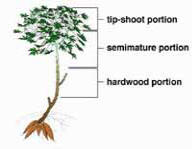
A cassava plant usually reaches 3 to 4 feet in height, though some plants can grow up to 13 feet tall.


COLUMBUS, Ohio – Cassava is the third-most important food source in tropical countries, but it has one major problem: The roots and leaves of poorly processed cassava plants contain a substance that, when eaten, can trigger the production of cyanide.

Richard Sayre

That’s a serious problem for the 500 million people who rely on cassava as their main source of calories, among them subsistence farmers in Sub-Saharan Africa, said Richard Sayre, a professor of plant biology at Ohio State University. He and his colleague Dimuth Siritunga, a postdoctoral researcher in plant biology at the university, have created cyanogen-free cassava plants. A cyanogen is a substance that induces cyanide production.

Their study appeared in a recent issue of the journal Planta.

Cassava is a hardy plant – it can remain in the ground for up to two years and needs relatively little water to survive. It’s the key source of carbohydrates for subsistence farmers in Africa. But an unprocessed cassava plant contains potentially toxic levels of a cyanogen called linamarin.

The proper processing of cassava – drying, soaking in water, rinsing or baking – effectively reduces cassava’s linamarin content. But, said Sayre, shortcut processing techniques, which are frequently used during famines, can yield toxic food products.

“If we could eliminate the cyanogens in cassava, the plant wouldn’t need to be processed before it’s eaten,” he said. “In Africa, improperly processed cassava is a major problem. It’s associated with a number of cyanide-related health disorders, particularly among people who are already malnourished.”

Cyanogens in cassava plants convert to cyanide when raw cassava is eaten or processed.

Chronic, low-level cyanide exposure is associated with the development of goiter and with tropical ataxic neuropathy, a nerve-damaging disorder that renders a person unsteady and uncoordinated. Severe cyanide poisoning, particularly during famines, is associated with outbreaks of a debilitating, irreversible paralytic disorder called Konzo and, in some cases, death. The incidence of Konzo and tropical ataxic neuropathy can be as high as 3 percent in some areas.

People who get little or no protein in their diets are particularly susceptible to cyanide poisoning, as they lack the proper amino acids necessary to help detoxify the poison.


“But these cyanogen-free plants represent a safer and more marketable food product as well as a tool to determine the role of cyanogens in protection against insect pests and crop productivity.”


Sayre and Siritunga engineered cassava plants in which the expression of the genes responsible for linamarin synthesis was blocked. They then analyzed the linamarin content in these plants’ leaves and roots, finding a significant reduction of the cyanogen in leaves (by 60 to 94 percent) and in roots (by 99 percent) compared to normal cassava plants.

Cassava leaves contain more linamarin than do the plant’s roots, Sayre said. Plant biologists believe that somehow linamarin is transported from the leaves to the roots early in a plant’s life. Turning off the linamarin-inducing genes in cassava leaves might reduce the levels of linamarin in the plant’s roots.

“When leaf linamarin was reduced by 40 percent, the roots contained less than 1 percent of the cyanogen,” Sayre said, adding that it’s critical for the leaves of a growing cassava plant to contain a small amount of linamarin.

Women are usually charged with processing the plant, which leaves them susceptible to inhaling cyanide gas.

“Linamarin protects cassava from being eaten by insects or animals,” he said. “Plants with moderate linamarin levels in their leaves and that contain nearly no linamarin in their roots are both protected from herbivores and contain far less of the cyanogen in their roots.”

Cyanide forms when cassava is processed. But the toxin is volatile and is released into the air, rather than remaining in the food. Correct processing methods ensure that the cyanogen content in cassava plants will be within an acceptable range, Sayre said. (The United Nations’ Food and Agriculture Organization has established maximum recommended cyanide levels for foods.)

“In African countries, it’s mostly women and children who are susceptible to cyanide poisoning,” Sayre said. “Women are usually charged with processing the plant, which leaves them susceptible to inhaling cyanide gas. Cyanide can poison a person by either inhalation or ingestion.”

The shelf life of a cassava root is very short once it’s removed from the stem, so there’s an urgency to get the food to market.

In processing, the cassava plants are first crushed and then dried.

“Roots can turn to mush in less than a week,” Sayre said. “Cassava’s fresh market time is very small, so it has to be processed immediately.”

And that’s where consumers can run into problems -- the rush to get cassava to the market may keep some batches of cassava from being processed properly. Even if the plant is properly processed, exposure to the volatile cyanide can cause health problems in people charged with processing the roots and leaves.

While cassava roots contain less than 10 percent of the linamarin level found in cassava leaves, it’s the long-term exposure to cyanide that presents a threat to humans.

“Linamarin is converted to cyanide when eaten,” Sayre said. “Repeated exposure of low doses of cyanide over time can lead to health problems.

“But these cyanogen-free plants represent a safer and more marketable food product as well as a tool to determine the role of cyanogens in protection against insect pests and crop productivity.”

“However, preliminary studies indicate that linamarin may be important in the transport of nitrogen from cassava leaves to its roots in young plants,” he continued. “Plants producing varying levels of linamarin need to be tested in field trials to determine if the inhibition of linamarin synthesis affects plant yield.”


Written by Holly Wagner,


Resources National Institutes of Health (NIH) Resources


Nerves    Click to view different size nerve fibers.


Pathalogy in CIDP and autoimmune diseases

 
   World Wide Consultation by Internet
 

Tremor

Top Foods

Treatment of Myasthenia

Trends in medicine 

Ulcerative colitis 

Ultrasound

Everything about IVIg, Home to IVIg

Fatty acids in autoimmune diseases

Small fiber neuropathy 

Depression and breast cancer

Dermatomyositis

Fighting with spouse gets good results!

Vitamin D  deficiency causes high BP

 Mobile phone Use Increases Tumour Risk

New Psoriasis Rx       LasiK Dangers

No cold meds to kids, says FDA

Calcium supplements cause stroke in women

Vitamin D extends life   Breast Size & disease

More Young Women Dying Of Heart Disease

By pass heart surgery

 Reverse Chronic Fatigue syndrome & Fibromyalgia, 


BPA in infant bottles a concern

Want more sex

 Boy or Girl   Autism & Mercury

 Before getting child vaccination read this

 Parents rejecting dangerous vaccine 

Botox causes deaths also in children

Autoimmune reaction kills teenager in breast surgery

Parkinson Prevention    Aids Vaccine alert

Folate Deficiency Triples Risk of Dementia

DHEA levels and cognitive functions

SESAME SEED OIL

Facial  cleaner

 Quran page