JFK
RAY SUAREZ: According to medical records released this week, former President John F. Kennedy was in far greater pain and taking many more medications during his presidency than previously known.
 Washington
physician Jeffrey Kelman examined the records with historian
Robert Dallek, whose excerpts from an upcoming biography appear
in this month's Atlantic Monthly. Dr. Kelman joins us now. Well,
John F. Kennedy was famously the youngest man elected to the
office. But it sounds like he had been sick for a really long
time.
Washington
physician Jeffrey Kelman examined the records with historian
Robert Dallek, whose excerpts from an upcoming biography appear
in this month's Atlantic Monthly. Dr. Kelman joins us now. Well,
John F. Kennedy was famously the youngest man elected to the
office. But it sounds like he had been sick for a really long
time.
DR. JEFFREY KELMAN: John Kennedy was sick from age 13 on. In 1930, when he was 13, he developed abdominal pain. By 1934 he was sent to the Mayo Clinic where they diagnosed colitis (please read link) or it was called colitis. By 1940 his back started hurting him, by 1944 he had his first back operation, by 1947 he was officially diagnosed as having Addison's Disease.
And he was basically sick from then on through the rest of his life. He had two back operations, in '54 and '55, which failed. And he needed chronic pain medication from '55 through his White House years, until he died in Dallas. He was never healthy. I mean, the image you get of vigor and progressive health wasn't true. He was playing through pain most of the presidency. See Janet Travell JFK doctor
Treatment of neuropathy
RAY SUAREZ: You reviewed his medical records.
DR. JEFFREY KELMAN: In aid of this new biography by Robert Dowling, we went to the Kennedy library where they opened the medical archives for the first time and we went back and interviewed all the records, starting from his time in the Mayo Clinic all the way up to his death.
Access to new medical recordsRAY SUAREZ: And this was a guy who had to do what just to get through a day?
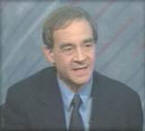 DR.
JEFFREY KELMAN: By the time he was president, he was on ten, 12
medications a day. He was on antispasmodics for his bowel,
paregoric, lamodal transatine [ph], he was on muscle relaxants,
Phenobarbital, Librium, Meprobomate, he was on pain medications,
Codeine, Demerol, Methadone, he was on oral cortisone; he was on
injected cortisone, he was on testosterone, he was on Nembutal
for sleep. And on top of that he was getting injected sometimes
six times a day, six places on his back, by the White House
physician, with Novocain, Procaine, just to enable him to face
the day.
DR.
JEFFREY KELMAN: By the time he was president, he was on ten, 12
medications a day. He was on antispasmodics for his bowel,
paregoric, lamodal transatine [ph], he was on muscle relaxants,
Phenobarbital, Librium, Meprobomate, he was on pain medications,
Codeine, Demerol, Methadone, he was on oral cortisone; he was on
injected cortisone, he was on testosterone, he was on Nembutal
for sleep. And on top of that he was getting injected sometimes
six times a day, six places on his back, by the White House
physician, with Novocain, Procaine, just to enable him to face
the day.
Treatment of neuropathy
RAY SUAREZ: Now, in the late '40s he was diagnosed with Addison's Disease.
DR. JEFFREY KELMAN: Right.
RAY SUAREZ: Which is what exactly?
DR. JEFFREY KELMAN: Addison's Disease is adrenal insufficiency. The adrenal gland makes corticosteroids and other hormones that are used for salt metabolism, response to stress, response to inflammation. In '47 he was officially diagnosed in England, as being adrenally insufficient, and from that point on, at least that point on, he was being treated with daily corticosteroids of some form or another. There is some evidence he was actually being treated earlier, with a form of [inaudible] implanted under his skin. But at, from '47 he had to receive daily steroids to survive.
RAY SUAREZ: Now whether this was Addison's or simple adrenal insufficiency, this is still pretty dangerous?
DR. JEFFREY KELMAN: It's always dangerous; without being supported, patients die. And the steroids themselves have side effects, including susceptibility to infection. Kennedy needed multiple courses of antibiotics, he had urinary infections, skin infections, he had respiratory infections.
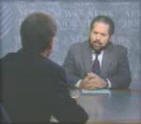 RAY
SUAREZ: Can you, from the distance of 40 years, from what you
were able to look at, his X-rays, his medical records, his
prescriptions, talk about whether or how these illnesses
affected his performance?
RAY
SUAREZ: Can you, from the distance of 40 years, from what you
were able to look at, his X-rays, his medical records, his
prescriptions, talk about whether or how these illnesses
affected his performance?
Treatment of neuropathy
DR. JEFFREY KELMAN: We went to a lot of trouble, I mean, you can make a time line at the Kennedy Library looking at day by day, sometimes hour by hour, the history of the Kennedy presidency. And in correlating it as well as you could with the medical records, didn't seem to have affected his presidency at all. His judgment wasn't warped, in spite of the fact that he seemed to be in pain a great deal of the time, it didn't affect his performance as president. In certain ways I came out of it thinking he was a heroic character.
RAY SUAREZ: Was his appearance altered by the drugs that he was on?
DR. JEFFREY KELMAN: He gained and lost weight, both from the colitis and from the steroids, and from the appetite, that's why he was on testosterone, in order to stimulate muscle growth and stimulate his appetite. So his performance -- his appearance rather did change from time to time.
Continue to page-2 of
Kennedy history
previous page Vitamin C benifits
Next page Vitamin C complications
LINKS CIDPUSA
Prevent Osteoporosis
Pollution
Chronic pain
MS GENES
Saffron the top spice
Aids Cause
Spices
Vinegar
Cure all diseases
Osteoporosis
Pandas
Multifocal neuropathy