May 15, 2020
Diabetes drugs linked to weak bones
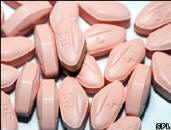
Rosiglitazone has been linked to heart problemsA commonly-prescribed drug for type 2 diabetics may increase the risk of brittle bone disease, say researchers.
Tests on mice found that rosiglitazone (Avandia), which is used to boost the effects of insulin, could be interfering with new bone formation.
But Californian scientists, writing in Nature Medicine, said it hinted at ways to help other patients suffering from osteoporosis.
Research has already suggested a link between the drug and heart problems.
A lot more research is needed before we can conclusively link rosiglitazones to increased risk of various bone conditions in humansDr Ian Frame
Diabetes UK
More than 1.5 million prescriptions for rosiglitazone and another drug, pioglitazone, which works in a similar way, were issued in the UK last year.
The latest research, from the Salk Institute in La Jolla, reveals more about how bone-forming cells work together.
Bone is constantly regenerating, with cells called osteoclasts destroying bone, while other cells called osteoblasts lay down new bone.
Balance needed Link to osteoporosis caused by your diet
A balance between these two activities is needed to ensure that bones stay healthy and strong enough to withstand the pressures of daily activities.
What the US researchers found was that, in mice, using the drug led to more activity from osteoclasts, tipping the balance and starting to thin the bones.
When the genetic target of the drug was blocked in the mice, the reverse happened, with osteoclasts failing to mature properly, and bone mass increasing.
They wrote: "These findings have potential clinical implications, as they suggest that long-term rosiglitazone usage in the treatment of type 2 diabetes and insulin resistance may cause osteoporosis, owing to a combination of decreased bone formation and increased bone resorption."
However, they said that in diseases such as osteoporosis and rheumatoid arthritis, in which bone loss can lead to fractures, other drugs might be produced to have the reverse effect of the diabetes drug, and possibly promote the growth of new bone.
Review ordered
The earlier evidence of a link between heart problems and the drug led to a review by the European Medicines Agency, which said that the benefits of taking the drug continued to outweigh the risks.
A spokesman for GlaxoSmithKline, which makes Avandia, said that evidence in patients had at one point suggested a small increased risk of hand and foot fractures, but not the spine fractures more commonly linked to osteoporosis.
She said that more recent longer-term studies in patients taking the drug failed to show any connection between heart risks and the drug.
Dr Ian Frame, from Diabetes UK, said that the current recommendation from the EMEA and British experts was to carry on taking the drugs - or to consult their doctor if worried about side-effects.
He said: "These findings are interesting. We already know that bone fractures are more common in people with diabetes taking rosiglitazones. "This research could help us to understand better the effect the drug may have on bone health.
"However, a lot more research is needed before we can conclusively link rosiglitazones to increased risk of various bone conditions in humans."
rosiglitazone (Avandia) can cause Osteoporosis