DHEA
😏cidpusa.orgOSTEOPOROSIS
Link on how to avoid osteoporosis
-- The intolerance of the gluten portion of wheat may link to osteoporosis, the mineral absorption is affected.
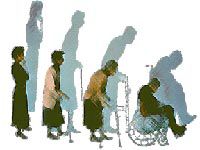
Some people develop osteoporosis, the mineral loss disease that leads to brittle bones, because their bodies cannot tolerate wheat flour.The calcium loss disease that leads to brittle bones.
A report published in the current issue of the Archives of Internal Medicine said that the intolerance of gluten (a form of protein found in grains such as wheat, barley, and rye), called celiac disease, can be treated, so the damage done by osteoporosis can be reversed in such patients.
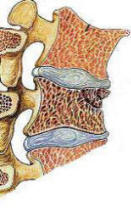 Screening people with osteoporosis for a condition that makes it difficult to digest wheat may help improve treatment and reduce the risks associated with the common bone-weakening disease.
 "Our results suggest that as many as three to four percent of patients who have osteoporosis have the bone disease as a consequence of having celiac disease, which makes them unable to absorb normal amounts of calcium and vitamin D," said William Stenson, a Washington University physician at Barnes-Jewish Hospital in St. Louis.
The report was based on a look at 840 patients, some of whom had osteoporosis.
Researchers found that nearly 4.5% (12) of the osteoporosis patients tested positive for celiac disease compared with only 1.0 % (six) of the women without osteoporosis.
Biopsy-proven celiac disease was confirmed in 3.4% of women with osteoporosis and only 0.2% of women without osteoporosis, according to the report.
"Bone density ... improved dramatically on a gluten-free diet," Stenson
said. "We believe the diet allowed their intestines to heal, and that
allowed them to absorb normal amounts of calcium and vitamin D to reverse
bone loss."CIDPUSA.org
What happens to people with celiac disease?
Celiac disease can cause different problems at different times:
- An infant with celiac disease may have abdominal pain and diarrhea (even bloody diarrhea), and may fail to grow and gain weight. They have oily stools.
- A young child may have abdominal pain with nausea and lack of appetite, anemia (not enough iron in the blood), mouth sores and allergic dermatitis (skin rash).
- A child could be irritable, fretful, emotionally withdrawn or excessively dependent.
- In later stages, a child may become malnourished, with or without vomiting and diarrhea. This would cause the child to have a large tummy, thin thigh muscles and flat buttocks.
- Teenagers may hit puberty late and be short. Celiac disease might cause some hair loss (a condition called alopecia areata).