Anise Seeds
Anise is a very widely used herb. It is especially known for its digestive properties. Anise seeds are consumed after meals to help in the process of digestion. If crushed and added to tea, not only does it enhance the flavor, but also works as a digestive and helps relieve the problem of flatulence.
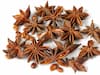
Anise, due to its antimicrobial properties, is found in a lot of over the counter remedies. The oil extracted from anise seeds is used as an expectorant. It relieves congestion by working on the secretary cells in the respiratory tract.
Though anise can be used to treat a wide range of medical conditions, a word of caution is in order. It is recommended that people with high blood pressure should not consume anise as it might exacerbate the condition, though there is no concrete scientific evidence for this.
Anise is also a popular culinary herb that is used extensively in cooking and liqueurs. Also, due to its fresh scent, it is often used as a herbal fragrance in aroma therapy. Moreover, anise is added to oral hygiene products like toothpaste and mouthwash in order to enhance their flavor and effectiveness.
Back in the ancient times, the Romans used anise to make scented oils and soaps. Perhaps the tradition of wedding cakes can be traced back to the Roman period when anise tea and cake were served after a wedding feast.
Anise seed as well its oil have found application in many traditional medicines for their distinctive health promoting and disease preventing roles.
- The seeds preparations are an excellent remedy for asthma, bronchitic cough as well as digestive disorders such as flatulence, bloating, colicky stomach pain, nausea and indigestion.
- The essential oil comprises 75 - 90% anethole, which has an observed oestrogenic effect. Its decoction oftentimes prescribed to promote breast-milk production in mothers.
- Anise seed water is very helpful in relieving running nose in infants.
- The seeds are chewed after a meal in India to refresh the breath
- Please see detailed information on Fennel
Benifits
The spice has been found to increase lactation and aid in gastrointestinal issues. The essential oils found in the seeds are useful in destroying a variety of pathogens. Anise works well as a natural component for mouthwash and toothpaste, helping prevent gingivitis.
Anise has also been used for centuries in European herbalism to treat coughs and indigestion. An appetite stimulant and a digestive aid, anise also increases semen, cures disease caused by gas, and soothes fevers and burning sensations. Anise is an anodyne, it quenches thirst, cures eye diseases and wounds, and removes mucus from the intestines. Anise is also wormicide. It also helps the spleen, cures diseases caused by bile, and relieves vomiting1. Anise Benefits for Skin Anise helps reduce the skin wrinkles, improves skin elasticity, heals old scars , covers blemishes .
Only take once a day in a tea it becomes toxic if consumed more than once and can cause death.
2. Immune SystemAnise improves the immune system. The spice has antibacterial and antiviral effects. The spice has been used to treat bacterial infections of the stomach and other body parts for centuries. Perhaps most importantly, this spice appears to be effective against several antibiotic-resistant bacterial strains, making it very valuable to the pharmaceutical industry.
Organ effects
3. Respiratory Infections Anise helps in supporting respiratory health, so if you have a cough or a sore throat, or feel the early stirrings of the flu, a cup of anise tea may be able to sort out the inflammation rapidly and neutralize the underlying infection before more severe symptoms arise.
4. Sleep Issues Ansie has sedative properties and induce relaxation and sleep, making this spice valuable for people who have insomnia and regularly interrupted sleep patterns.
5. Circulation Anise helps promote circulation and proper oxygenation of the body's extremities.
6. Fungal Infections Anise has powerful anti-fungal properties. It has been a trusted natural remedy for many fungal infections, including Athlete's foot, ringworm, Candida, and other common strains. When we talk about the star anise tea benefits, a regular dosage of star anise tea can give your immune system the necessary boost against these pathogens.
7. Digestion Anise can help relieve bloating and excess flatulence while easing cramping and improving the bacterial balance in your gut for high nutrient uptake efficiency.
8. Hormones Anise In men, can provides an energy boost and increase sex drive, whereas, in women, it can regulate menstrual cycles, control mood swings, and other hormone-driven side effects of menstruation. 9. Cancer RiskAnise lower the risk of mutagenic effects in the body, leading to cancer cells and tumor formation.
-
Tomato as a medicine
- Green TEA AND HEART
- ORGANIC CERTIFIED
- Broccoli & Prostate
- Coconut oil
- Walnut oil
- Colostrum
- Hallelujah Diet
- Caveman Diet
- Anticancer Diet
- Ketogenic Diet
- Myasthenia Diet
- Natural Diet for diseases
- Fat lowering Diet
- Lower Cholesterol
- Libido Diet
- Homocysteine Lowering diet
- Avoid Gum
- Right Fat Diet
- chemicals in French fries
- Cupping
- Health benefits of ACV
- Low fat diet consequences
- Sunshine
- Chromium
- Acid Base
- Coffee Thyme
- Backpain antibiotics
- Autoimmune antibiotics
- Miracle cure ITP
- Pandas
- Terror Bug
- Electronic Frequency
- Candida
- Whipples
- Tetracycline
- Vitamins and cancer
- Cancer Regan
- MS & Virus
- Hair chemicals
- Osteoporosis
- See this message from God