CIDPUSA.ORG Autoimmune Diseases
Peanut allergy guide?
Autoimmune Hepatitis
What is autoimmune hepatitis?
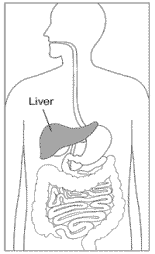
Autoimmune hepatitis affects the liver.
Autoimmune hepatitis is a disease in which the body's immune system attacks liver cells. This immune response causes inflammation of the liver, also called hepatitis. Researchers think a genetic factor may make some people more susceptible to autoimmune diseases. About 70 percent of those with autoimmune hepatitis are female.
The disease is usually quite serious and, if not treated, gets worse over time. Autoimmune hepatitis is typically chronic, meaning it can last for years, and can lead to cirrhosis--scarring and hardening--of the liver. Eventually, liver failure can result.
Autoimmune hepatitis is classified as type 1 or type 2. Type 1 is the most common form in North America. It can occur at any age but most often starts in adolescence or young adulthood. About half of those with type 1 have other autoimmune disorders, such as
- type 1 diabetes
- proliferative glomerulonephritis, an inflammation of blood vessels in the kidneys
- thyroiditis, an inflammation of the thyroid gland
- Graves' disease, the leading cause of overactive thyroid
- Sjogren's syndrome, a syndrome that causes dry eyes and mouth autoimmune anemia
- ulcerative colitis, an inflammation of the colon and rectum leading to ulcers
Type 2 autoimmune hepatitis is less common, typically affecting girls aged 2 to 14, although adults can have it too.
One job of the immune system is to protect the body from viruses, bacteria, and other living organisms. The immune system usually does not react against the body's own cells. However, sometimes it attacks the cells it is supposed to protect; this response is called autoimmunity. Researchers think certain bacteria, viruses, toxins, and drugs trigger an autoimmune response in people who are genetically susceptible to developing an autoimmune disorder.
What are the symptoms of autoimmune hepatitis?
Fatigue is probably the most common symptom of autoimmune hepatitis. Other symptoms include
- an enlarged liver
- jaundice (yellow color of skin)
- itching
- skin rashes
- joint pain
- abdominal discomfort
- spider angiomas, or abnormal blood vessels, on the skin (blue veins)
- nausea
- vomiting
- loss of appetite
- dark urine
- pale or gray-colored stools
People in advanced stages of the disease are more likely to have symptoms related to chronic liver disease, such as fluid in the abdomen--also called ascites--and mental confusion. Women may stop having menstrual periods.
Symptoms of autoimmune hepatitis range from mild to severe. Because severe viral hepatitis or hepatitis caused by a drug--for example, certain antibiotics--have the same symptoms as autoimmune hepatitis, tests may be needed for an exact diagnosis. Doctors should also review and rule out all medicines a patient is taking before diagnosing autoimmune hepatitis.
- Clay baths
- Steaming Sand Baths
- Coconut oil Benefits
- Deodorants cancer
- Toxic Lipstick
- Niacin deficiency
- Vitamin -D
- Vitamin-C
- Vitamin-E
- Spiritual illness
- ACV
- Healthy Oils
- Feet Home
- Beauty Tips for Women
- Celiac disease
- Right Fat Diet
- Apple juice
- Vinegar Benefits
- Supplements
- Cupping
- Alzheimers
- CMT neuropathy
WE PROVIDE HELP FOR STYING HEATHY