| |
Complete
guide on alternatives treatment of autoimmune disease please read
our
e-book
"THE OILING OF NORTH AMERICA"
by:
Fallon,
Sally, M.A.
OILING OF AMERICA What we have had in the last
80 years is the oiling of America. We have
had a big decline in the use of animal fats. People
don't use lard any more. We have had a huge increase
in the use of vegetable oils, either shortening,
margarine or the liquid vegetable oils. Butter
consumption has fallen dramatically, but the
increase in heart disease and cancer is continuing
to rise. It doesn't take a statistician to realize
that butter consumption is not the cause of heart
disease and cancer. You may have heard of the French
paradox. They have one quarter the heart disease
that we have, one of the lowest coronary heart
disease rates of all western countries, yet they
consume a lot more dairy fat than we do, and more
animal fats, but their consumption of vegetable oil
and hydrogenated fats is much lower.
GOOD FATS AND OILS: A good fat is a
traditional fat like butter and other animal fats,
and the cold-pressed traditional oils like olive,
flax and sesame. These are oils that have been
used for thousands of years. They are easy to get
out of the seeds. We cannot extract the modern oils
without technology. Traditional oils are rich in
anti-oxidants. The tropical oils such as palm and
coconut oils which have nourished people
throughout the globe are very healthy oils.
Osteoporosis does not exist in countries that use
coconut oil.
BUTTER Weston Price who studied primitive
peoples in the 1930's found many healthy people who
nourished themselves on butter fat, and they
actually considered butter a sacred food, especially
when the cows were eating rapidly growing green
grass. Butter is an excellent source of the fat
soluble vitamins.
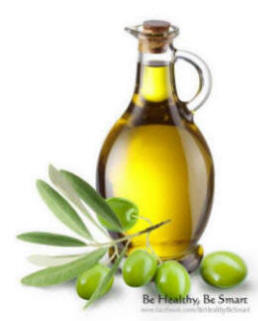
OLIVE OIL The type of fat which is in the
adipose tissue is mostly monounsaturated. That is
the kind of fat which is found in olive oil. Olive
oil if it is properly processed, if it is extra
virgin, is full of anti-oxidants. It is a
traditional fat that has nourished people for
thousands and thousands of years. It is the safest
oil you can use, but it does promote weight gain,
and in the Mediterranean countries the women do tend
to gain weight in middle age.
FLAX SEED OIL We do recommend supplementation
with flax seed oil with its high omega-3 content.
Flax oil is very unsaturated. The more unsaturated
something is, the more susceptible it is to
rancidity when heated. When you heat it, it forms
free radicals and these are very cancer promoting.
Flax oil should always be kept refrigerated, and
never heated.
SATURATED OILS Palm, palm kernel and coconut
oils contain 80 to 90% saturated fats with small
amounts of oleic acid and linoleic acid. Part of the
saturated fat content is lauric acid which has
strong antifungal and antimicrobial
properties. These oils protect tropical populations
from bacteria and fungus so prevalent in their food
supply. They are extremely stable and can be kept at
room temperature for many months without becoming
rancid, and can be used for cooking and baking.
Unfortunately they have received bad publicity from
the lobbying of the vegetable oil industry and these
safe and healthy oils have been abandoned in favour
of artificially saturated hydrogenated soybean, corn
and cottonseed oils, the waste products of America's
three biggest crops.
BAD FATS AND OILS: The bad fats are the
partially hydrogenated fats and the new
vegetable oils and the animal fats that have been
heated over and over again. There are many health
problems associated with the consumption of
polyunsaturated oils such as soy, corn,
canola, safflower, sunflower, soybean and cottonseed
oils.
Use of all these oils should be strictly limited.
They should never be consumed after they have been
heated as in cooking, frying, baking, etc. These
oils are new to the diet; you do not find these
kinds of oils in the traditional diet. You get your
essential fatty acids from traditional foods like
nuts and seeds and green vegetables. Animal fats
also provide essential fatty acids. You do not need
to supplement them with vegetable oils. The only
exception to that is flax seed oil. Canola oil
has attracted the attention of nutritionists because
of its high oleic acid content, but canola oil
presents dangers of its own. It is a new oil which
comes from the rapeseed, and the rapeseed oil is
highly toxic. It is very high in sulphur which
can cause a lot of problems.
Canola oil is not a traditional oil and it should be
avoided completely. All the salad oils, the
pre-mixed salad dressings and the Wesson oils were
not in our diet at the turn of the century. People
cooked in lard, butter, goose fat, duck fat and beef
tallow.
MARGARINE AND HYDROGENATED FATS Margarine is
made with vegetable oil which itself is new to the
human diet. It is probably already rancid because of
the way the oils are extracted. Almost all of these
oils contain hexane which is used as a solvent to
get out all of the oil from the seeds. The oils are
then steam cleaned and mixed with nickle catalyst;
then they are hydrogenated by high pressure and high
temperature reactions. This process rearranges the
molecular structure so that the oil can become solid
at room temperature. The hydrogen atoms have been
moved around, and a molecule is created that does
not exist in nature. Soap-like emulsifiers are mixed
in and then it is steam cleaned because it smells
horrible and is a lovely gray colour. They bleach it
and add artificial flavours and synthetic vitamins.
It is packaged in tubs and promoted as a health
food. Some of the diseases that are caused or
exacerbated by hydrogenated fats are
atherosclerosis, heart disease, auto-immune
diseases, cancer, degeneration of the joints and
tendons, diabetes (hydrogenated fats interfere with
insulin receptors), failure to grow and learning
disabilities. Mothers who eat a lot of hydrogenated
fats seem to have low birth weight babies and have
reduced fat content in mother's milk, so they are
not as successful in nursing their babies who are
not getting all the fat they need. Hydrogenated fats
are also found in chips, cookies, crackers, and fast
food french fries.
POWDERED MILK AND EGGS Oxidized cholesterol in
powdered milk and powdered eggs and animal fats used
for deep frying initiates the build up of pathogenic
plaque. Powdered milk which contains this oxidized
cholesterol is added to 1% and 2% milk.
CHOLESTEROL Cholesterol is a large sterol
molecule, and it is manufactured by almost every
cell in the body. It is nature's repair substance.
It repairs wounds and tears in the arteries. It
gives structural integrity or stiffness to the
cells. It is the precursor for vitamin D and bile
salts. It is the precursor to the sex hormones. It
is a powerful antioxidant which protects us against
free radicals. That is why people with low
cholesterol levels tend to get cancer, and that
is why as you age, your cholesterol levels should
naturally go up because it is there to protect you.
Finally it is essential for the development and
function of the brain and nervous system. You need
cholesterol for the proper functioning of the
seratonin receptors in the brain. So if it's not
cholesterol, what causes heart disease? There are a
number of studies and many theories which suggest a
diet of fabricated, processed, refined foods.
CHOLESTEROL LOWERING DRUGS do not lower the risk
of coronary heart disease but in study after study
have been shown to increase the risk of cancer,
intestinal diseases, depression, suicide and violent
behaviour.
SUGAR AND HEART DISEASE Most fat in our bodies
and in the food we eat is in the form of
triglycerides (three fatty acid chains attached
to a glycerol molecule). Elevated triglycerides in
the blood have been positively linked to proneness
to heart disease but these triglycerides do not come
directly from dietary fats: they are made in the
liver from any excess sugars that have not been
completely burned. The source of these excess sugars
is any food containing carbohydrates, but
particularly refined sugar and processed
carbohydrates. Refined sugar and other refined
products were virtually unknown in the human diet
before 1600 and never used in great quantities
before the present century. In 1821 the average
sugar intake in America was 10 pounds per person per
year; today it is 170 pounds per person per year. As
the consumption of sugar has increased so have all
civilized diseases. We need foods that are whole,
not skeletonized and denatured. Sugar, especially
sucrose and fructose has been shown to shorten life
in numerous animal experiments. Excessive use of
sugar is associated with a rise in blood
cholesterol, rise in triglycerides, increase in
adhesiveness of the blood platelets, increase in
blood insulin levels, etc. Numerous studies have
positively correlated sugar consumption with heart
disease. These results are far more positive than
any of the studies linking heart disease and
saturated fats. Moderate use of natural sweeteners
is found in many traditional societies. We therefore
recommended you satisfy your sweet tooth by eating
fully ripened fruit in season and a limited use of
natural sweeteners high in vitamins and minerals
such as raw honey, dehydrated cane sugar juice (Sucanat)
and maple syrup. Avoid all refined sugars including
table sugar, brown sugar, corn syrup, fructose and
large amounts of fruit juice.
PESTICIDES, TOXINS AND CONTAMINANTS We all need
to be very concerned about pesticides, toxins and
contaminants, not just in our animal foods but in
all of our foods. If we start demanding organically
grown milk, butter and vegetables, that will promote
a small scale yeoman-type farming economy. There are
really only two types of economies in the world: the
type where millions and millions of people make a
decent living and the type where a few people make
millions and millions of dollars. We want to reverse
the trend and gradually go back to the kind of
economy where we have a prosperous healthy farming
community and real foods and naturally raised foods.
BACKGROUND POLITICS: THE MOVE FROM SATURATED FATS TO
UNSATURATED OILS I have a little cookbook called
The Baptist Ladies' Cookbook published in
1895 - it's 100 years old. This collection of
recipes is very interesting because it contradicts
our present day dietary principles which are based
upon the theory that the increase of cancer and
heart disease today compared to a century ago is
caused by our consumption of more saturated fat from
animal products. Today we are being told that
saturated fats from animal sources and
saturated oils are the cause of cancer, heart
disease and obesity. Vegetable oils are being
used as a substitute in everything from baked goods
to baby food. There is hardly a recipe in this book
that does not contain plenty of butter, cream,
eggs or lard, but cancer and heart disease were
extremely rare before the turn of the century.
People were strong and sturdy, and gross obesity was
not a problem. The history of how this came into
being,
how a whole continent traded animal fats for
vegetable oils on the premise that vegetable
oils are better for our health is an interesting
story.
The rate of heart disease began to climb in the
1930's. By 1950, it was apparent that there was a
huge increase in heart disease, particularly
myocardial infarctions. The American Heart
Association was formed, and in their original
statement, they singled out the trans fatty acids
found in hydrogenated oils as the probable
source of heart disease. Hydrogenated fats are made
from vegetable oils that are artificially hardened.
However, Dr. Fred Matson who worked for Proctor and
Gamble (who makes hydrogenation equipment and
hydrogenated fats) was on the American Heart
Association Advisory Board, and he was able to
persuade them to drop all reference to trans fatty
acids in hydrogenated oils, and instead they laid
the blame for this great increase in heart disease
on saturated fats from animal products. These
altered documents actually encouraged the
consumption of the very hydrogenated oils that
were the prime suspect. The edible oil industry
has a lobby called the Institute for Shortening and
Edible Oils which supervised what was happening at
the American Heart Association. The result was that
dieticians were trained to promote processed foods.
Finally in the 70's and 80's this same Dr. Fred
Matson held two controlling positions in the Lipid
Research Clinical Trials that led to the National
Cholesterol Education Program.
By the early 70's, the American Heart Association
stated that Americans had elevated levels of
cholesterol in their blood and it was necessary to
lower these cholesterol levels in order to avoid
heart disease. All Americans in the "at risk"
category were encouraged to substitute
polyunsaturated vegetable oils for all saturated
fats. The people behind this advice were the
Institute for Shortening and Edible Oils. But they
were pushing this lipid (fat) hypothesis without
really having any evidence that there was any truth
to it. In the early 70's, research was coming in
from all over the world and some of it supported the
lipid hypothesis, but much of it did not. The
dissenting testimony was ignored. Their final report
claimed that animal fats caused cancer and heart
disease, and vegetable oils prevented them.
VEGETABLE OILS, HEART DISEASE AND CANCER My
co-author, Mary Ennig from the University of
Maryland, who is considered the foremost authority
on lipids in America reviewed the data and noticed
that people consuming a lot of vegetable oils had
more cancer and heart disease, and people eating
traditional foods with the animal fats had less
cancer and heart disease. She published a report
about her conclusions in a scientific journal, and
subsequently received a surprise visit from a
delegation from the edible oil industry and the
margarine industry who advised her that her
department wouldn't get any more funding if she
continued to follow this line of research.
Subsequently, when she applied for funding for her
research, she was refused.
The Framingham study was supposed to support the
theory that if you had high levels of cholesterol in
your blood, you were more prone to heart attacks. If
you evaluate their graph honestly, it shows that the
difference in the heart attack rate is fairly
constant, from 200 all the way up to 1,000. So what
is all the fuss over cholesterol about? The truth
about the Framingham study came out in 1972 in an
article in the Archives of Internal Medicine in
which William Castelli, the director of the
Framingham study stated that the more saturated fat,
the more cholesterol, the more calories one ate, the
lower the peoples' serum cholesterol was. They also
found that people who ate the most cholesterol and
the most saturated fats weighed the least and were
the most physically active.
LOW CHOLESTEROL LINKED TO INCREASED RATES OF CANCER
The next study was called the Multiple Risk Factor
Intervention Trial, done on 362,000 men, testing
their cholesterol levels related to heart disease.
They found a very trivial increase in the rate of
deaths from coronary heart disease as the rate of
serum cholesterol went up. They also found the same
thing which had been found in many other studies,
that
when your cholesterol levels are too low, the rate
of death from other diseases, particularly cancer,
goes way up. With cholesterol levels below 160,
there was a greater rate of death from cancer,
intestinal diseases, violence, suicide, increased
depression. So it isn't a very fair trade off.
The final major study that is used to justify the
lipid hypothesis was the Lipid Research Clinics
Trial. Once again, Fred Matson from Proctor and
Gamble held two very important positions in
designing this research and the way it was presented
to the public. These studies didn't study whether a
low cholesterol, low fat diet would help you. All
the subjects were on a low cholesterol, low
saturated fat diet. One was given a cholesterol
lowering drug and one was given a placebo.
Researchers claimed that the group taking the drug
had a 17% reduction in the rate of coronary heart
disease. But independent researchers including Mary
Ennig at the University of Maryland found no
difference in coronary heart disease between the
drug group and the placebo group. Once again they
found that
those who had lowered their cholesterol by using the
drugs had an increase in deaths from cancer, stroke,
violence and suicide. Nevertheless, this study
was presented in the media as the long sought proof
that animal fat was the cause of heart disease,
though it proved nothing of the sort.
In 1984, we had the Cholesterol Consensus
Conference. In their report they defined all
Americans with cholesterol between 200 and 300 as
"at risk". As we saw earlier, there is no increase
in coronary heart disease between these two levels.
There is no difference in risk or rate or anything
else. But they defined 200 as this magic point where
you are at risk. They called for mass cholesterol
screening and recommended a diet low in saturated
fats and cholesterol for at risk Americans. One very
specific suggestion in this report was that
Americans replace butter with margarine.
Don't forget that Fred Matson of Proctor and Gamble
who makes hydrogenation equipment and hydrogenated
fats was behind all of this work.
FAT FOR CHILDREN One of the most serious things
to come out of this program was the recommendation
that the low cholesterol diet be given to all
Americans above the age of two. But children need a
lot of fat in their diet. Mother's milk is 55% fat
and it is mostly saturated fat. It is extremely high
in cholesterol, and it has a special enzyme that
helps the baby absorb the cholesterol. That is how
important cholesterol is for the growing child.
Studies of children put on this low fat, low
cholesterol diet show failure to thrive. They
do not grow the way they are supposed to on this low
fat diet. Children need more fat than adults right
through their growing years, right up to the age of
18 or 20 because fat and cholesterol are very
important for the development of the brain and
nervous system.
Basically, the experts disagree with the lipid
hypothesis. George Mann who worked in the Framingham
study said the public is being deceived by the
greatest health scam of the century. Here is what
has caused the health care crisis: The ingredients
are greed, cunning, ignorance, lies, envy,
extortion, manipulation and fraud. The agenda is
that you conspire to convince the populace that
natural whole foods that have nourished mankind
for thousands and thousands of years are dangerous
and unhealthy, and that they cause heart disease and
cancer so that the populace will buy the new
fabricated foods which you are selling. Then you
train the medical profession to advocate
antibiotics, vaccinations, fluoride and
fabricated foods as scientifically proven
methods for preventing illness. You ignore and
suppress healing methods that have worked for
centuries, you claim that real diseases have no
cure, and you define normal human conditions such as
menopause and average cholesterol levels as illness
that must be treated with expensive drugs which
create serious side effects.
Sally Fallon's book Nourishing Traditions is one
of the most important books you can read
|
IgG
IgA
Immune
dysfunction
IgG
subclass deficiency
Immunodeficiency
Immune
deficiency
IgA
nepropathy
911 CIDP story
Tetanus Vaccine Story
Stem Cell Story
Surgery CIDP
Cranial nerve CIDP
Farmer CIDP
Recurrent attack CIDP
Charcot
Car accident & CIDP
Arthritis & CIDP
Flu Shot Story
MS &
CIDP story
Story21new
Renal
transplant PRA
Neck Pain Tips
Quran
page |