Vitamin E,
Search Cidpusa webalternatives treatment of autoimmune disease read our e-book
VITAMIN E Deficiency
As we eat more processed foods the amount of vitamin E in our diet continues to plummet. On this page, we will show you risks of not getting enough vitamin E.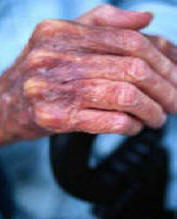
An early sign of vitamin E deficiency
are lipofuscin or age spots.
Side Effects of Vitamin E Deficiency
No obvious symptoms accompany a vitamin E deficiency, making it hard to detect. A brownish pigmentation of the skin, called age
spots or lipofuscin, may signal the problem, but only a blood test can confirm that vitamin E levels are too low.
When diseases of the liver, gall bladder, or pancreas reduce intestinal absorption, a mild deficiency of vitamin E can
result. A diet of processed foods that's very low in fat might also cause a deficiency.
Vitamin E deficiency can occur in newborn babies, especially those born prematurely, because the mother doesn't transfer much
vitamin E to the developing fetus until the last few weeks of pregnancy.
The deficiency can cause hemolytic anemia, a condition in which the red blood cells are so fragile they rupture.
As we mentioned earlier, it has become increasingly difficult a sufficient amount of vitamin
E in our diet. In our final section, we will look at the safety and utility of vitamin E supplements.
Because the digestive tract requires fat to absorb vitamin E, people with fat-malabsorption disorders are more likely to become
deficient than people without such disorders. Deficiency symptoms include peripheral neuropathy, ataxia, skeletal myopathy, retinopathy, and impairment of the immune response . People with Crohn's disease, cystic fibrosis, or an inability to secrete bile from the liver into the digestive
tract, for example, often pass greasy stools or have chronic diarrhea;
Boosted Libido
Haveing more vitamin E into your daily diet helps to increase your sex drive. Having foods with vitamin E helps to raise the testosterone levels in your
body. Without enough testosterone in your body, your sexual stamina and sexual interest may wane. When sex drive levels plummet, adding vitamin E to your diet is a natural way to
help. It is recommended to take 400IU per day of vitamin E to prevent or treat sexual dysfunction like depressed sex drive that may result from hormonal imbalances.
Foods With Vitamin E
1. Almonds
Almonds are one
the best vitamin E foods. Just an ounce of almonds offers a whopping 7.4 milligrams of vitamin E. You can also get your vitamin E needs in the form of almond milk and almond oils. We would recommend eating raw almonds, if possible.
2. Raw Seeds
Selectraw seeds, such as sunflower,pumpkinand sesame, are another common food with vitamin E. In fact, eating just ¼ of a cup of sunflower seeds gives you 90.5% of your recommended daily value, making them one of the best vitamin E foods you can eat
daily.
3. Swiss Chard
Swiss chard is easily one of the healthiest vegetables you can eat on a daily basis. Just one cup of boiled swiss chard greens will provide you with almost 17% of your daily
recommended values.
4. Mustard Greens
Not only are they one of the best vitamin E foods, Eating just one cup of boiled mustard greens contains about
14% of your daily dietary requirements.
5. Spinach
Spinach is one of the best leafy greens you can add to your diet. . Just one cup of boiled spinach will provide you with approximately 20% of your daily needs.
CONTINUE TO PAGE 2