Acid Bace Ph
😏cidpusa.orgOOPHORITIS Inflammation
Autoimmune Oophoritis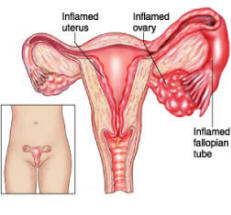
Oophoritis is an autoimmune disease. Autoimmune oophoritis is characterized by lymphocytic infiltration.
Definition: Autoimmune oophoritis is a disease of women caused by autoimmune inflammation of ovaries resulting in their destruction, atrophy, and fibrosis with a loss of fertility
and ovary hormonal production.
Description: Autoimmune oophoritis is a causes premature ovarian failure (POF) in 10 percent of cases.
Women with POF have premature menopause before 40 years of age (secondary amenorrhea). They stop menstruating, they are infertile, and they have deficient estrogen and
progesterone. There is a clear association between serum adrenal cortex autoantibodies and the presence of histologically confirmed autoimmune oophoritis.
Symptoms:
- Primary amenorrhea (menstruation has never occurred),
- secondary amenorrhea (menstruation appeared at puberty but subsequently stopped),
- infertility, and
- sex hormone deficiency
Diagnosis: StCA autoantibodies or antibodies are good predictive markers for future gonadal failure. In studies, ovarian laparoscopy biopsy is provided, but it is not routine since no treatment is available.
Treatment: No immunosuppressive has been proven safe and effective by prospective randomized placebo-controlled study. There are few reports on a successful ovulation-inducing treatment with high dosages of corticosteroids. However because of risks, long term prednisone treatment is not routinely used. Hormone replacement therapy is used, but it can not return fertility.
Pathogenesis: Oophoritis is an autoimmune disease. Autoimmune oophoritis is characterized by lymphocytic infiltration. Please continue to next page and read Neuropathy in celiac disease
Acid Accumulation
Proponents of the theory that acid build-up in the body causes cancer lay blame on the food we eat. Red meats, soda, most processed foods and fried foods are highly acidic in nature. Apart from the consumption of these foods, a number of energy-producing reactions in the body form acids as a by-product.
Acid-base disorders, known as acidosis and alkalosis, develop when an imbalance occurs between acid and alkali in the blood. Acidosis may be asymptomatic or it may manifest as nausea, vomiting, fatigue, breathing problems, headaches, confusion, seizures and in acute cases, coma or death. With alkalosis, irritability, weakness and cramping may present. The range for normal blood pH appears narrow -- within 7.35 to 7.45. Maintenance of this level ensures correct operation of the bodys metabolic processes. Proper blood pH also guarantees that adequate oxygen reaches the bodys tissues,Most Vegetables and Fruits are Alkaline
Most vegetables and fruits are considered alkaline because they are generally potassium-rich and tend to release alkaline-forming substances into the blood. But there are exceptions: Most legumes are acidic, including soy beans, green beans, lima beans, kidney beans, red beans, green peas and lentils. Fruit-wise, blueberries, cranberries, plums and prunes are considered acid-forming. Note that the acidity of a food doesnt dictate if it is acid-forming or alkaline-forming in the body. For example, citrus fruits are acidic but they are alkaline-forming in the body.
Some Proteins and Dairy are Alkaline
Usually protein-rich foods are acidic because they tend to release acid-forming substances into the blood, and the body has to withdraw calcium from the bones to neutralize its pH. However, eggs, tofu, yogurt, whey protein and milk are alkaline-forming. In fact, chronic overconsumption of milk can lead to milk-alkali syndrome, a disease manifested as alkalosis, soft tissue calcification and renal failure.
Most Spices, Seasonings, and Herbs and re Alkaline
All herbs are alkaline. In addition to many other health benefits, most spices and seasonings help lower the bodys pH. So use them freely in your cooking. Beneficial herbs and spices include cinnamon, curry, ginger, miso, tamari and chili pepper, just to name a few. However, nutmeg, mustard and salt are generally considered acidic.
Clean, pure water is a cornerstone of good health. Your body is mostly water, so the ongoing intake of water is essential to your every function.
The number one source of calories in the U.S. comes from high fructose corn syrup primarily in the form of soda.
continue to next page of IgG subclass deficiency
😏