God  our Guide   Number 1 site for helping reverse diseases on Planet Earth
cidpUSA Foundation

 cidpusa.org   


      Home
      Diagnosis
      Treatment
      Pathology
      Variants
      CIDP info
      Fibromyalgia
      IVIG
      Diet anti-inflammatory
      Burning  Feet Home
      Services Page
      Chronic Fatigue
      Autoimmune diseases
      Prognosis
      Bible healing
      Celiac disease
 Young women strokes

Calcium supplements

Vitamin D  deficiency

Makeup

CIDP Pathology

 Ear Disease AIED

Autoimmune self attack

What are autoimm-disease

Autoimmune inflammation

Autoimmune anemia

Autoimmune Ear

Autoimmune Thyroid

Autoimmune Fiber

Autoimmune Muscle

Autonomic Small Fiber

Myasthenia Holistic

Polymyositis

Dematomyositis

Poly Dermato

Myositis

Myasthenia alternative

Myofacial pain

Myopathy

 Kidney stone removal 

Depression & anxiety

addiction  & Drug Rehab

Male disorders

Parkinson Clinic

Epilepsy Clinic

Pain Clinic

Skin repair clinic

Neurology Clinic

Antibiotics

 Vitiligo

risk of heart disease & stroke 

Learn Brain

Personality

Alopecia

 Bone Marrow Supression

   
                    Return to first page of autoimmune disease

This page describes how to manage bone marrow suppression you should also read our main diet page.

   Internet help for people in any  locations Available  contact us   

    For prevention and alternative treatments of all diseases, "Flame within contents".


Managing Bone Marrow Suppression


What is bone marrow suppression?

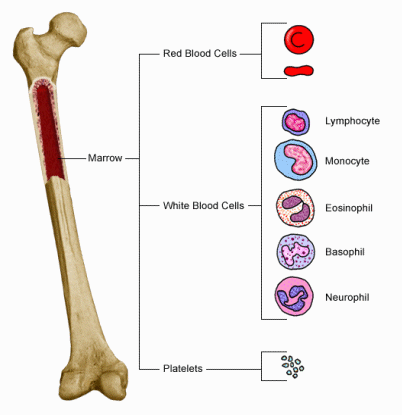
Nearly all chemotherapy agents cause a reduction of blood cell counts. When this reduction occurs it varies, according to which agents are used for your child's treatment. Red blood cells that carry oxygen, white blood cells that fight infection, and platelets that control bleeding are usually lowered with chemotherapy use. Risk for anemia, fatigue, infection, and bleeding are increased with bone marrow suppression. Common terms that you may hear that refer to blood cell reduction include the following:

  • anemia - decrease in red blood cells.
  • neutropenia - decrease in neutrophils (a specific type of white blood cell; a main defender of bacteria).
  • thrombocytopenia - decrease in platelet counts.
  • pancytopenia - decrease in red blood cells, white blood cells, and platelets.

While your child is undergoing chemotherapy treatment, these blood cell levels will be monitored frequently. Many parents like to keep track of their child's blood counts to record their progress. Ask your child's physician what levels are acceptable for your child.

What are symptoms of bone marrow suppression?

The following are the most common symptoms of bone marrow suppression. However, each child may experience symptoms differently. Symptoms may include:

  • Low platelets:
    • easy bruising
    • bleeding: nose bleeds, gums, or mouth
    • tiny red spots on the skin (petechiae)
    • blood in the urine
    • dark or black bowel movements
  • Low white blood cells:
    • fever and chills
    • rash
    • diarrhea
    • signs of infection (anywhere in the body):
      • swelling
      • redness
      • an area that is warm to touch
  • Low red blood cells:
    • fatigue
    • paleness of skin, lips, and nail beds
    • increased heart rate
    • tires easily with exertion
    • dizziness
    • shortness of breath

Treatment and prevention of complications of bone marrow suppression:

There are several things you can do for your child to prevent complications of bone marrow suppression. Your child may be given specific medications to help stimulate the production of cells in the bone marrow. While you are waiting for your child's blood counts to return to a healthy range, consider the following:

  • Your child should avoid strenuous activity, contact sports, or heavy lifting.
  • Avoid having your child blow his/her nose or forcefully cough.
  • Avoid harsh, raw vegetables, or foods with rough surfaces in your child's diet.
  • Avoid allowing your child to consume alcohol.
  • Encourage your child to eat high-protein foods.
  • Have your child use an antiseptic mouthwash without alcohol.
  • Encourage your child to drink plenty of fluids.
  • Keep all scratches clean and covered.
  • Girls should not shave their legs or underarms; boys should not shave facial hair.
  • Make sure your child, and anyone who comes in close contact with your child, washes his/her hands frequently.
  • Avoid uncooked fruits and vegetables, as they can transmit bacteria.
  • Avoid coming in contact with anyone who is ill with a contagious disease.

Nerves    Click to view different size nerve fibers.


Pathalogy in CIDP and autoimmune diseases  Glomerulonephritis


  Global Help by Services section

 Toxic makeup

Tremor

Top Foods

Helaing


Brain Dancer

boy or girl

Bottled water

Botox and neuropathy

Bone Marrow depression