Statin anti-Cholestrol drug
Statins
The statins are a relatively new group of drugs used to lower blood cholesterol levels. The best known statins are simvastatin (Zocor) and pravastatin (Lipostat).
A high cholesterol level increases a person's risk of having a heart attack or stroke. The long-term use of statins reduces the risk of such an event and can increase the life expectancy of people with a history of heart disease.
Why cholesterol is a problem
There are two types of cholesterol in the body: 'bad' or low-density lipoprotein (LDL) cholesterol, and 'good' or high-density lipoprotein (HDL) cholesterol.
LDL carries cholesterol around the body in the bloodstream and 'dumps' it in arteries, where it can cause narrowing and even blockage. It's this process that contributes to the development of diseases of the cardiovascular system. For example, when the arteries supplying blood to the heart become blocked, the result is a heart attack.
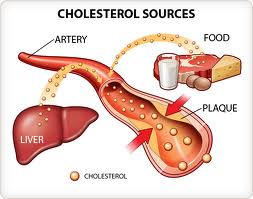
HDL cholesterol is termed 'good' because it mops up cholesterol and takes it to the liver to be broken down. For this reason, it is not just the total cholesterol level that is significant (LDL+HDL) but the ratio of HDL to the total. A high proportion of HDL to the total figure is preferable.
Cholesterol levels are affected by the amount of dietary cholesterol eaten (in full-fat dairy products and animal fats, for instance. But most cholesterol in the blood is made by the body itself.
How to statins work?
The statins work by blocking an enzyme in the body that is involved in the production of LDL cholesterol, especially in the liver. This enzyme is known as HMG coenzyme A reductase. The statins are the most effective group of drugs for lowering the levels of LDL cholesterol in the body.
What are they for?
Statins are given to people who have high cholesterol levels that have not been able controlled by changes in diet.
Side effects
The statins can cause headaches, insomnia, liver problems and digestive tract problems like abdominal pain, wind, diarrhea, and feeling and being sick. Rarely, they can cause hepatitis, a skin rash, and a serious muscle problem, with symptoms of muscular pain, tenderness and weakness. There can be numbness in feet a polyneuropathy due to statins..
Statins cause kidney failure.
Staitins cause memory issues and dementia.
Warning: If you are taking a statin and experience any muscle pain or weakness for no obvious reason (such as over-exercising) you should see your doctor immediately. This could be the start of Myositis. Statins commonly cause shoulder pain and weakness.
While on Statins one needs exercise its much better to use a diet plan to reduce cholesterol please read our diet page. Cholesterol can be reduced by using olive oil and brown rice in your diet without any side effects of Statins.
There are many ways to lower cholesterol other than using statins. Please read the alternatives to reduce cholesterol without statins in our diet page. I do remember the story of a man in NYC who was in the ICU on a ventilator when his statin was stopped he walked out of the hospital in a day.
😏