Detox for health
Search Cidpusa webDetox baths
Baths Tips
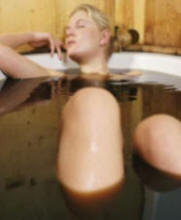
The skin is the largest organ of the body, and it offers an immense surface area to facilitate efficient removal of toxins from the body. (It also offers an immense surface area through which to introduce toxins to the body as well! Substances placed on the skin can show up much more quickly in the blood stream than when those same substances are ingested. Detox baths give the skin an opportunity to release toxins into a water, which the skin can use much more readily than air to effectively transfer toxins out. Furthermore, detox baths incorporate substances which will readily absorb toxins, or which provide the body with additional nutrients needed to release toxins.
Detoxification is the process of
flushing toxins from the body's organs, including the gallbladder, spleen,
kidneys, intestines and skin. Many alternative and natural health practitioners
believe that the build-up of toxins in these organs can lead to serious diseases
and illnesses, There are many methods that are used to detoxify the body, such
as fasting, enemas, herbs and over-the-counter cleansing kits. Another quick and
easy way to cleanse the body of toxins is a detoxifying bath.
Salt
Use plain table salt, mixed into a bath, to remove toxins from the body. According to Dr. Buchman, 1 cup of coarse table salt, added to bathwater, has a strong detoxifying effect on the body. Use the salt bath method, in conjunction with a fast, or as a quick way to cleanse the body after being exposed to pollution or cigarette smoke. Salt is reputed for its ability to stimulate the circulation, thus promoting faster removal of waste and toxins that have built up in the body.
Fennel
Use fennel tea to create a detoxifying bath, by boiling 3 to 4 tbsp. of crushed fennel, bringing the mixture to a steep and adding the strained liquid to a bath to remove toxins from the body. The use of fennel can be traced back to the ancient Greeks. In the cleansing and detoxification process, fennel is reputed for its ability to flush the colon, promote healing and boost the kidney, spleen and liver function.
Multifocal neuropathy