THYME
Search Cidpusa webThyme Herbal tonic recipe
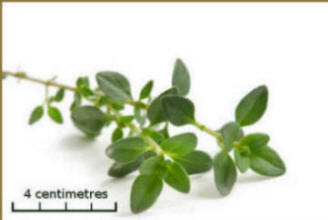
The origin of the name "Thyme" has been traced to two possible sources. Thymus is a Greek name for "courage," but to the Greeks it also meant "to fumigate." It has been used through the centuries as a remedy for many ailments, from epilepsy to melancholy. Nowadays, it is prescribed by herbalists for intestinal worms, gastrointestinal ailments, bronchial problems, laryngitis, diarrhea, and lack of appetite. It has antiseptic properties, and can be used as a mouthwash, skin cleanser, anti-fungal agent for athlete's foot and as an anti-parasitic for lice, scabies, and crabs. For skin inflammations and sores, make a poultice by mashing the leaves into a paste.
To use Thyme as an anti-fungal agent or as a parasitic, mix four ounces of Thyme to a pint of alcohol, or buy the essential oil and use sparingly on the affected area. For bronchitis and gastric problems, make atea to be used once per day. Add honey as a sweetener, if desired.
The essential oil of Thyme (Thymol) can cause adverse reactions if taken in it's pure form, so use Thyme-based medications sparingly. If taken in a tea, drink only once or twice per day, and if used on the skin, be aware that it may cause irritation.
Thyme, like many herbs, does best in well drained exposed positions and is one of the easiest herbs to grow. The aroma comes from aromatic oils the plant produces which are thought to act as a repellant for many insects, a substitute for water evaporation in hot weather and antifreeze in frosty weather that prevents cells containing water, bursting in winter snows. Thus more oil is produced in plants in cold alpine type climates. Easily identified as a compact very tidy bush with tiny oval leaves that can be up to 45cm tall or in it's more prostrate form, as a dense fine leafed ground cover, it thrives in the rockery or as a border plant. The stems can either be trailing or upright with small, elliptic leaves that are very fragrant. Many species are evergreen. The leaves are small and oval with tiny flowers of mauve or purple in summer. The flowers are attractive to honey bees.