CIDPUSA.ORG
Search Cidpusa webCoenzyme Q 10 is required for
Coenzyme Q10 (CoQ10) is naturally present in foods, and can be synthesized by the body from the amino acid tyrosine during a multistage (17 stages) process requiring eight vitamins and several trace elements.
One of the best-known effects of this compound is its antioxidant qualities as well as the control it exercises on the flow of oxygen within cells, assistance with cardiovascular functioning, the production of energy, its assistance with absorption of other nutrients as well as its immune boosting properties.
 The use of CoQ in heart disease has been documented in trials. CoQ10deficiency is common in cardiac patients. Biopsy results from heart tissue in patients with various cardiovascular diseases showed a CoQ10 deficiency
in 50% to 75% of the cases"
The use of CoQ in heart disease has been documented in trials. CoQ10deficiency is common in cardiac patients. Biopsy results from heart tissue in patients with various cardiovascular diseases showed a CoQ10 deficiency
in 50% to 75% of the cases"Studies on mice showed an increase of 50% extension of life span with CoQ10.
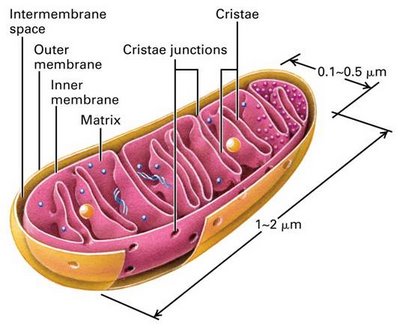
It is the Coenzyme Q10 that is the coenzyme for at least three mitochondrial enzymes as well as other enzymes in the cell. The mitochondrial enzymes are essential for the production of high-energy adenosine phosphates (ATP).
It has been found to be effective with a variety of health problems, and great promise has been shown in assisting with cancer treatment, protecting patients undergoing chemotherapy. Studies showed that patients taking 90 mg of this compound experienced less pain and increase in appetite and decreased metastases.
Studies using 300 -900 mg, reported partial or total remission. People who stay thin and slim, yet eat a lot have much higher levels of this compound in their blood, and it also assists with fuel efficiency within the cells, which also assists weight loss.
People suffering from periodontal disease may also be deficient in this compound, as it has a protective and strengthening action in all tissues. (This is why it is also beneficial to the heart muscle.)
Deficiency of Coenzyme Q10
When we are deficient of this compound in our system, our general health will start deteriorating and should levels drop 25% below the optimum levels, many diseases may start progressing, diseases like high blood pressure, heart attack, angina, immune depression, periodontal disease, lack of energy and weight gain.
People suffering from congestive heart failure and taking coenzyme Q10 should NOT stop taking it suddenly since sudden withdrawal may intensify the symptoms of congestive heart failure.
Dosage
The dosage underneath is theRecommended Dietary Allowance (RDA), but be aware that this dosage is the minimum that you require per day, to ward off serious deficiency of this particular nutrient. In the therapeutic use of this nutrient, the dosage is usually increased considerably, but the toxicity level must be kept in mind.
No recommendation has been set.
Toxicity and symptoms of high intake
Toxicity and side effects are not known, but pregnant or breast-feeding mothers should not take it in supplement form.
In extreme dosages, such as 600 - 1200 mg per day headaches, heartburn, fatigue, diarrhea and skin reactions have been reported.
Best used with
Since the compounds are fat soluble, it is best to take it with dietary fat present.
When more may be required
Should the liver perform under par, it cannot manufacture Q10 from the other Q coenzymes, and this production also diminish with age.
People suffering from angina, HIV, male infertility, diabetes, periodontal disease, high blood pressure, cancer and receiving chemotherapy could benefit from an increase in CoQ10.
Food sources of Coenzyme Q10
Good sources are found in beef, soy, mackerel, sardines, spinach, peanuts, soybeans and vegetable oil.
Please continue to next page