|
Myopathy, myasthenic
and neuropathy syndromes are autoimmune and easily and permanently
treatable please read our e-book for permanent help.
Today all forms of arthritis & pain are treatable, they are all
caused by autoimmune process. Learn to turn off inflammation at the
source.
|
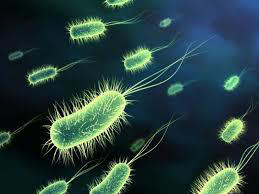
Bifidobacterium
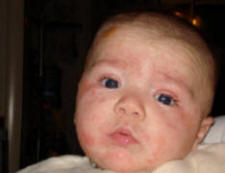
Pseudocatenulatum Associated With Atopic
Eczema
|

NEW YORK (Reuters Health) Feb 13 -
Bifidobacterium pseudocatenulatum, commonly
found in the fecal microflora of infants, is
associated with atopic eczema and is also
more prevalent in infants who are not breast
fed.
B. pseudocatenulatum may therefore be a
biomarker for susceptibility to this atopic
disease, Dr. Gerald W. Tannock, of the
University of Otago, Dunedin, New Zealand,
and colleagues report.
In a nested case-control study, the
researchers compared fecal bacterial
communities of 37 infants with and 24
infants without eczema. The team matched the
infants, who were 3 to 6 months of age, for
sex, age, feeding method, weaning, and
ethnicity. They also collected information
on maternal and infant antibiotic exposure,
feeding, gastrointestinal symptoms, and
family history of allergy.
No significant differences in overall
profiles of fecal bacterial communities were
observed between cases and controls. Infants
with a family history of allergic disease
were significantly more likely to have
bifidobacteria in their feces than those
without a family history (86% versus 58%; p
= 0.05).
An association was observed between
non-breast-feeding and the presence of B.
pseudocatenulatum (39% versus 9%; p = 0.01).
The increased risk was confirmed in logistic
regression analysis (odds ratio, 5.6; p =
0.02).
B. pseudocatenulatum was also detected more
commonly in children with eczema than in
those without eczema (27% versus 4%; p =
0.04), according to the report in the
January issue of the Journal of Allergy and
Clinical Immunology.
"Clinical measurements did not reveal an
association between B. pseudocatenulatum and
specific factors of importance in allergic
diseases," Dr. Tannock's team notes.
"Therefore, we cannot propose an etiologic
role for this bacterial species in atopic
eczema."
"Nonetheless, the association of these
bacteria with an atopic condition fits well
with previous observations that we have made
in relation to bifidobacteria and allergic
diseases of children."
J Allergy Clin Immunol 2008;121:135-140.
Introduction to
Bifidobacterium

The members of Bifidobacterium genus are gram positive,
anerobic, non motile and no spore forming bacilli. Several species
of bifidobacteria colonize the intestinal tract of a great number of
animal species . Protection against enteric pathogens, immune system
activation and vitamin production, are some of the the benefic
properties, attributed to the members of the Bifidobacterium
genus. Also, mechanisms involved with reduction of cholesterol
levels and antitumoral activity, have been proposed
---------------------
Bifodobacterium are another group of probiotics with enough
members in the family to make it confusing to sort out which
supplement is best for you.
So let's look at why one the Bifidobacterium family might be a very
good choice for you.
One of the useful lactic acid producing bacteria which are found in
many probiotics and are essential for health
Natural colonizers of the human intestinal tract1 - this makes them
a highly desirable probiotic
Long history of being consumed by people with complete safety
They are the FIRST beneficial bacteria to colonize a babies
gastrointestinal tract after birth - got to think mother nature's
trying to tell us something there!
Although discovered back in 1899 they have been grouped in with
Lactobacillus for much of this time due to their similarities.
Although Bifidobacteria make up only 3 to 6% of the bacteria
count in adult stools, their presence has been associated with many
beneficial health effects such as the prevention of diarrhea, the
reduction of lactose intolerance, an immune enhancement1.
When you examine the number of problems where a lowered number of
Bifidobacteria in the colon is known to occur - diarrhea, Crohn'
disease, Inflammatory Bowel disease (IBD) -you can see just why this
probiotic is of such importance to human health.
They assist with both vitamin and protein synthesis, assist in
digestion and absorption, prevent colonization of bad bacteria, and
stimulate the immune response. 3
Some strains of this bacteria have been successful in either
treating or helping with necrotizing enterocolitis (in infants),
diarrhea in infants, traveler's diarrhea, atopic eczema, IBS,
pouchitis, Helicobacter pylori and ulcerative colitis

The first milk is called
colostrum and is yellow in colour and quite rich but small in
amount. For this reason it is usual for babies to lose up to 10 % of
their birthweight. The main milk supply will not come in until about
the 3rd day postnatal. In those first days before your milk is
established your baby may feed every two to four hours

Please continue to information on
EMG/NCV next page work in progress on
this link
|  |