CIDP TIPS
Hello!
CIDP TIPS BY EARL patient of DR Engle
Choosing a new wheelchair
Weight and size of user This is important since the range of the powerchair, speed, size and weight are all affected and determined by user weight. The more your weight the slower it will go and less distance it will travel
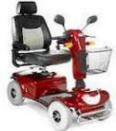
If you weigh 200 lbs you will get much less than half of the range. If you are a skinny 6 year old then you may even get a little
more range then they specify as long as its on a flat smooth surface (not carpet, grass etc) and go in perfectly straight lines...
Your Weight directly effects which powerchairs are suitable for you. The chair opposite with its plastic small skinny wheels and small batteries (less than say 40amps) and 4mph top speed and a "small
amperage" control system is a typical example of a folding powerchair. As such if you are heavy this chair will be very
underpowered and short of range. And suitable only really in flat areas like a shopping centre because of its motor/speed/battery size/controller as well as its small wheels and very nose heavy
layout.
The sad thing is that this one is typical in that even with its small motors and low speed and small lighter batteries its actual overall dimensions are bigger "full size", full
speed, all day long, indoor/outdoor powerchair! The only thing it does better is weigh less and fold up. Everything else is compromised. So if folding is important to you understand then understand the trade offs.
The problem here is that if you
want a small light powerchair or a folding powerchair for travel it will have small batteries by definition (because the bigger ones are very big/heavy) and a low top speed because small batteries demand this. So if you are heavy its not going to have much range or
performance at all and you will be sadly disappointed
You
need to consider how all of these various things effect your final choice. If you are heavy for example a folding or small shopper type powerchair may not be a good idea at all in your case. This then means a bigger non folding or heavy wheel chair that needs a different vehicle to transport it since it doesn't fold. In addition folding chairs tend to be a bit flexible and don't feel too good on our rough pavements either. Life's never simple. It means you have to make decisions about which way to go, especially if you are heavy. No Occupational Therapist or Physicians seems to quite
"get this" kind of thing at all because its engineering. They just look at the "weight limit" in the brochure as if it actually means something that they understand
RangeDepends on, pattern of use, how much indoors or outdoors, if you live in a hilly area or a nice flat one, if you drive on thick carpets and grass, user weight (hugely), and a bunch of other smaller considerations. There are no rules here other than ignore the salesman and the brochure. Its like this. You want the biggest
batteries you can find in any powerchair you are looking at. Batteries are ALWAYS the weak point if you intend to use your powerchair a lot.
Battery technology isn't really good enough
yet, that's why all the powerchairs with "full all day range" and a barely usable 6mph top speed are so big. The batteries are huge and heavy. A full size all day powerchair has 55ah to 75ah batteries or in some cases bigger still. Even at that size they don't last all day if you go far, are heavy, or you live in a hilly area or drive on grass...
If battery technology was good enough powerchairs would all be smaller lighter so great indoors and all be capable of 8mph with a fat bloke on board all day long. But they are not and that's why. Consider the battery issue carefully. Assess your weight, your needs, the chairs length with you in it, and you need to measure its width with it adjusted for your seat cushion size. And then consider speed and its detrimental effect on torque and range and battery longevity.. Thanks to earl for the excellent tips
Please
continue to next page of CIDP TIPS by Earl
Cane using Tips
Walkers in cidp
CMT

Dr Engle Electric wheel chair