CIDP TIPS
Hello!
CIDP TIPS BY EARL patient of DR Engle
For patients with CIDP the proper way of walking with a stick.
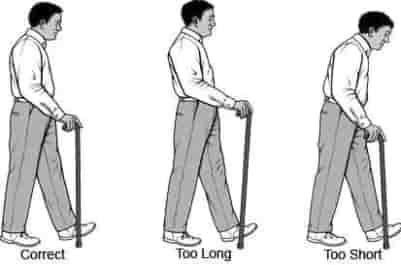
A cane is just among many ambulatory aids to consider if you are having trouble walking. A cane's function is to improve balance by increasing the individual's base of support. Canes are meant to unload the leg opposite to the hand the cane is in.
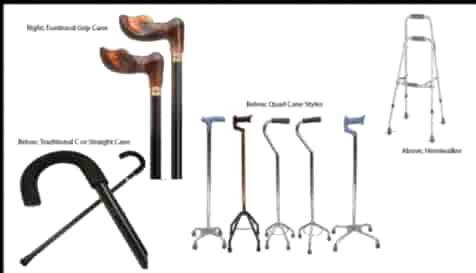
There are a few categories of walking canes that provide different amounts of assistance. Some of the more popular ones are
- C or Straight Cane - The most simple walking cane with a curve at the top for grip. This cane assists you in walking.
- Functional Grip Cane - These are identical to the C cane except for the handle, which has a straight grip rather than a smooth curve, allowing for better grip. This grip allows for better cane control and thus provides slightly more support than the C cane.
- Quad Cane - This cane has a rectangular base with four small prongs or supports on the bottom that contact the floor. This base provides more support than both of the previous canes, and come with either a smaller base or a larger base depending on the patient's needs. Its better to have rollers on the quad cane so you do not have to lift it.
- Hemiwalker - This combines the features of a cane and a walker and is ideal for someone transitioning from a cane to a walker or vice versa. Its base is much larger than the previous canes and provides the most support.
 As far as finding the right height for your cane, you should
stand up straight with your shoes on that you wear most
frequently and hands down at your sides. The top of the cane
should reach the crease on the under side of your wrist. When
you are holding the cane, your elbow should only be flexed about
15-20 degrees. An adjustable cane is the best choice if you wear
different styles of shoes frequently.
As far as finding the right height for your cane, you should
stand up straight with your shoes on that you wear most
frequently and hands down at your sides. The top of the cane
should reach the crease on the under side of your wrist. When
you are holding the cane, your elbow should only be flexed about
15-20 degrees. An adjustable cane is the best choice if you wear
different styles of shoes frequently.
If you are very weak then it will be best to use a quad cane. Quad cane is for people who cannot use the simple cane and they have to use a wide based object which is more stable.
Some people who are super weak will have to use a walker and there are multiple types of walkers.
Those people unable to use walkers have to use a wheel chair. Then of course the weakness in hands is severe then one has to use motorized wheelchairs.
This step by step guide will answer the needs for your mobility.
Please
continue to next page of CIDP TIPS by Earl
CMT