CIDPUSA.org Autoimmune diseases
PEMPHIGOID
Affected Populations
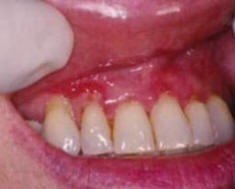
Bullous Pemphigoid a disorder that affecting males and females in older age.
Related Disorders
Symptoms of the following disorders can be similar to those of Bullous Pemphigoid.
Pemphigus is, sometimes life-threatening disease in which blisters break out on the skin, the lining of the mouth, the vagina, the thin covering of the penis and other mucous membranes (thin moist layers that line the body's internal surfaces). The location and type of blister may vary according to the type of Pemphigus. If left untreated, Pemphigus can be a serious illness.Symptoms of this disorder include the appearance of soft blisters in the outer layers of the skin especially on the neck, scalp, mouth, the underarm and groin areas. Causes are listed here.
Erythema Multiforme is an allergenic, inflammatory skin disorder has,lesions on the skin The early symptoms include red, elevated spots (erythematous macules or papules) on the skin that may have fluid filled centers and that eventually grow into larger blisters. Affected areas generally include the hands, forearms, feet, and mouth, nose, and genitals. The skin lesions and blisters generally appear on both sides of the body and tend to heal in approximately 2 to 6 weeks, there is fever, joint pain, cough, and a sore throat.For altrenative treatment of this disorder eat a bitter melon three times a day or use its capsules for full recovery.
Benign Mucosal Pemphigoid is rare chronic disease characterized by blistering and scarring of the mucous membranes particularly in the mouth and membranes that surround the eyes (conjunctiva). Initial symptoms include redness and inflammation of these areas and scarring may occur on the membranes of the eyes. Blisters may also develop in the mucous membranes of the pharynx, esophagus, nose, urethra and/or vulva. (For more information on this disorder, choose "Benign Mucosal Pemphigoid" as your search term on the Rare Disease Database.
Dermatitis Herpetiformis is a rare chronic skin disorder that is characterized by groups of severely itching blisters and elevated lesions. This disorder is often associated with a sensitivity to foods that contain gluten (gluten-sensitive enteropathy). The onset is generally slow in adults; children may also be affected. Small, discrete blisters and itchy smooth skin lesions that look like hives appear on the head, elbows, knees, lower back, and/or buttocks. Itching and burning may be almost intolerable, and the need to scratch may be overwhelming.
Epidermolytic Hyperkeratosis (bullous type) is a rare hereditary skin disorder characterized by the overgrowth of skin (hyperkeratosis) and abnormal redness of the skin (erythroderma). The symptoms of this disorder are present at birth and may range from mild to severe. The skin may appear to have warts or blisters, and to be thick over most of the body, particularly in the skin creases over joints. Epidermolytic
Epidermolysis Bullosa refers to a group of rare skin diseases characterized by fragile skin, blisters, and small fluid-filled lesions that develop following minor trauma to the skin. The mucous membranes are also involved in some forms of Epidermolysis Bullosa. Healing may be impaired. Blisters may leave multiple scars and/or damage the underlying muscle tissue. Most types of Epidermolysis Bullosa are inherited, and they usually first appear during childhood.
Epidermolysis Bullosa Acquista a autoimmune disorder of the skin that typically affects middle-aged and elderly people. Trauma to the skin can cause blisters on the elbows, knees, pelvis, buttocks or scalp. Increased levels of IgG (an immunoglobulin) are usually found around the blisters. After the blisters heal, scars may remain.Standard Therapies
Corticosteroid are given to people with Bullous Pemphigoid to help reduce the number of blisters. . Corticosteroid drugs (usually prednisone) can be discontinued in approximately 50 percent of cases of Bullous Pemphigoid because the patients eventually go into remission. The remainder of patients may require maintenance therapy. Because many people with Bullous Pemphigoid are elderly, decisions about whether to treat with drugs that alter the immune system (such as corticosteroids) must be individualized because it may make fragile patients more susceptible to infections.Investigational Therapies
Immunosuppressive drugs such as azathioprine and methotrexate, have been used on an experimental basis in combination with corticosteroid drugs to treat Bullous Pemphigoid.
Cyclosporine (Sandimmune) may be of potential benefit for treating a number of autoimmune skin diseases including Pemphigus, Bullous Pemphigoid, Posterior Uveitis, and Behcet's Syndrome. However, careful monitoring by a physician of people taking cyclosporine is necessary to guard against possible toxic side effects. Relapses of Bullous Pemphigoid can occur when the drug therapy is stopped. More research is needed before cyclosporine can be recommended as a treatment for all but the most severe cases of Bullous Pemphigoid.IVIg is very effective in this condition, please see theIVIg page.
Clinical trials are underway to study possible new therapies for Bullous Pemphigoid. Interested persons may wish to have their physician cont-----------------------------------------Alternative therapies for Pemphigious pemphigoid recommendation form CIDPUSA.
Doxycycline has been used to completely end this disease in two weeks. Vitamins b-complex and niacin have helped many people.
In supplements Turmeric has been used to stop inflammation and reverse the disease process. Read the anti-inflammatory diet in the diet page of cidpusa.
-----------------------
return to main page of pemphagoid
W.R. Gammon, M.D.
Dept. of Dermatology
University of North Carolina
137 NC Memorial Hospital
Chapel Hill, NC 27514
Please read the autoimmune E-Book for permanent treatment guidelines.
If you need help for IVIg, or any other question please contact us.
Links:CIDPUSA.ORG
B-12 deficiencyBackpain
Takayasu arteritis
Psoraisis
Rheumatoid arthritis
Ankylosing spondolitis
Mixed Connective tissue disease
Joint Clinic
Soccer player arthritis
MYOFACIAL Pain
FMS & Chronic fatigue
Mysterious symptoms
Autonomic Small Fiber
ALS patients improves
911 CIDP story
Cranial nerve CIDP
Chemicals
Cystic Fibrosis
Curry Powder
Dermatomyositis
Morgellons
Mammogram
Heart disease & stroke
Knee Injury
Skin Glow Guide
Scleroderma
Surgery CIDP
Tetanus Vaccine Story
miracle on Highways
Small Fiber neuropathy
neurological effects of CIDP
Nerve Fiber types
CIDP-EMG
Multi Focal Motor neuropathy
Lewis Summer
Tips for CIDP
Plasmapheresis
CIDP-INFO
CIDP-Rituxan
CIDP-GBS-Handbook
CIDP-family issue
CIDP-Cyclosporin
Polyneuropathy
CIDP-GBS children
Peripheral Neuropathy
ALS & CIDP
alcoholic poly neuropathy
IVIg, Home to IVIg