CIDPUSA.org Autoimmune diseases
Sat, 31 May 2008 17:55:07
By Imran Khan, MBBS.,
Mercury Posioning
Heavy Metal Toxicity Preventing and Reversing Heavy Metal Toxicity
Mercury has a particular affinity for brain tissue. The damage it does to brain cells can be devastating and irreparable.
See autism link
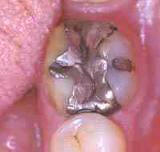 Symptoms of Mercury Toxicity
- Attention/concentration deficits
- Anxiety
- Agitation
- Emotional liability
- Impaired motor function
- Impaired memory and learning
- Depression
- Hallucinations
- Tremors
- Slurred speech
- Mental retardation
Today we know that hatters became "mad" from breathing mercury fumes and getting mercury on their hands. "Mad Hatter's disease," or erythism, is now a recognized psychiatric syndrome consisting of a wide range of neurologic and psychiatric disturbances (see box).
Chemists classify mercury as a heavy metal. As a rule, heavy metals have no place in the human body; even small amounts can be extremely toxic and difficult to get rid of. Health problems caused by low-level chronic exposure to heavy metals may take years to appear. By the time symptoms occur, it may be too late to do anything about them.
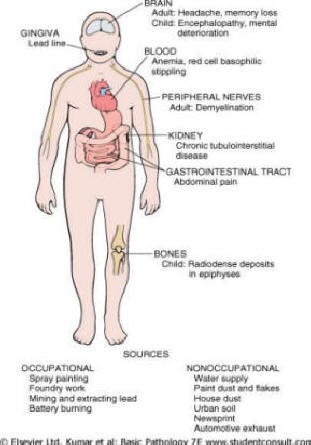
Another heavy metal that has caused - and continues to cause - enormous human suffering all over the world is lead. Until fairly recently, lead poisoning was endemic in the United States, affecting nearly one child in 6, at least to some degree, according to US Public Health Service estimates. Even though things have improved in the last 20 years, thanks to the phasing out of leaded gasoline and lead-based paints, lead poisoning continues to be a real threat, especially to children living in cities and/or buildings with old lead-based plumbing and old (pre-1978) paint jobs. Some of the clinical effects of lead poisoning are shown in the box.
Symptoms of Lead Poisoning
|
Autoimmune Diseases Treatment
Electrical Stimulation Therapy
magnets and ageing
Sand Bath for health
Glutathione super supplement
Sulphur Bath for Detox and health
Massage Cancer Cure
Water chestnut amazing nutrition
Infants women omega-3
Selenium the specialfood
Capsaicin
North American Herbs
Small fiber neuropathy
Gout Garlic
Magnetic deficiency
Pathology
Variants
CIDP
info
Fibromyalgia
IVIG
Diet
Burning Feet Home
Services Page
Chronic Fatigue
Autoimmune diseases
Prognosis
Bible healing
Celiac disease