Autoimmune EAR Diseases
CIDPUSA.ORG Autoimmune Diseases
Autoimmune innear Ear Disease
Search Cidpusa webAutoimmune inner ear disease (AIED) has been defined as a condition of bilateral sensorineural hearing loss (SNHL), caused by an uncontrolled immune system response. The inner ear can be the direct target of the immune response, but it can be additionally damaged by a deposition
of circulating immune complexes or by systemic immune-mediated diseases.
What is AIED?
Autoimmune inner ear disease or "AIED" consists of a syndrome of hearing loss or dizziness which is caused by antibodies or immune cells which are attacking the inner ear. It can be a sudden hearing loss on one side or both ears accompanied by pain. In the past was called Meniers disease.
The classic picture is reduction of hearing accompanied by tinnitus (ringing, hissing, roaring) which occurs over a few months. Variants are bilateral attacks of hearing loss and tinnitus which resemble , and attacks of dizziness accompanied by abnormal blood tests for self-antibodies. About 50% of patients with AIED have balance symptoms.
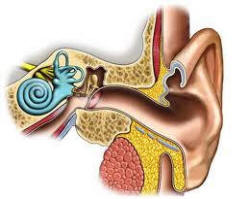
The estimated yearly incidence of AIED is <5 cases per 100,000 and its estimated prevalence is about 15/100,000 (in the United States, the expected annual AIED prevalence is 45,000 patients); it is reported that AIED is more prevalent in women, in their third and the sixth decades of life
Autoimmune Inner Ear DiseaseAutoimmune inner ear disease or AIED consists of a syndrome of hearing loss or dizziness which is caused by antibodies or immune cells which are attacking the inner ear. It can be a sudden hearing loss on one side or both ears accompanied by pain. In the past was called Meniers disease.
The classic picture is reduction of hearing accompanied by tinnitus (ringing, hissing, roaring) which occurs over a few months. Variants are bilateral attacks of hearing loss and tinnitus which resemble , and attacks of dizziness accompanied by abnormal blood tests for self-antibodies. About 50% of patients with AIED have balance symptoms. It has been stated that a clinical answer to the steroid administration could be considered a clinical diagnostic criterion for AIED; however, only a small percentage of patients (14%) is steroids responsive.
As there are no specific tests for AIED, a common approach is to look for other evidence for autoimmune involvement. toimmune disorders include:
- Sed Rate,CRP
- Sed Rate,CRP
- Thyroid (TSH, anti-microsomal antibodies)
- anti-gliadin antibodies (for Celiac disease)
Blood tests for conditions that resemble autoimmune disorders include:
- RPR(for Syphilis)
- Lyme titer
- HBA1C (for diabetes, which is often autoimmune mediated also)
- HIV (HIV is associated with auditory neuropathy)
- Home
- About
- Contact
- Neuropathy testing
- Vitamin A
- Vitamin-E
- Colostrum
- Bras cause breast cancer
- Cancer cure
- Terror Bug
- Candida
- Vitamins and cancer
- Whipples
- Liver Flush
- B-17 cancer
- Antibiotics
- Tetracycline
- Mercury in makeup
- Celiac disease
- IVIG
- Burning Feet Home
- Sleep and stay fit
- Ansiseed
- Cancer killer cells
- Cancer killer cells
- Oils for health
- Aspirinhelpslower blood pressure
- Be happy