God is our Guide                 Number 1 site for helping reverse diseases on Planet Earth
cidpUSA Foundation

 cidpusa.org   


      Home
      Diagnosis
      Treatment
      Pathology
      Variants
      CIDP info
      Fibromyalgia
      IVIG
      Diet anti-inflammatory
      Burning  Feet Home
      Services Page
      Chronic Fatigue
      Autoimmune diseases
      Prognosis
      Bible healing
      Celiac disease
Autoimmune self attack

Miss cidpusa page-2

AMYTOPHIC LATERAL SCLEROSIS

 Mammogram

SLE

Curry Powder

Tremor

 Scleroderma

Multiple Sclerosis treatment

Morgellons story

Antidepressants

CoEnzymeQ10

Graves disease

Cassava Plant & neuropathy

Morgellons Syndrome


Cancer therapy

Cancer cure

Vitamins and cancer

Cancer Prevention

Broccoli CANCER

B-17 cancer

Cancer and Bacteria

Cancer Clinic

Cancer & Flaxseed oil

Cancer therapy

Cancer Mycoplasma


CMT

Miracle ITP

Hemolytic anemia

Cholesterol drugs & Bleeding

What is autoimmune

Toxic Baby products

Infants  and women omega-3

 Selenium

Basil

Bay leaves

Eliminate insulin implants

Sugar treatment

Heart FAILURE

Irregular periods

Myasthenia diet

Prophets

cancer survivor

Tomato as a medicine

New Vaccine
  Natural Makeup
  Neck Pain
  Ocular Female diseases
  Chronic fatigue syndrome
  Osteoporosis
  Women Heart Attacks
  Breast Size & Disease
  Female Sex Disease
  PARKINSON
  Memory problems
  Breast Lymph Drainage
  Kidney stone Buster
 Bras cause breast cancer
  Skin repair Clinic
 Pandas
  Hepatitis

Risk of heart disease & stroke 

Depression and breast cancer

Kidney stone removal 

Alopecia general

Personality

Skin hair nail spa

Memory clinic

Depression & anxiety

Addiction  & Drug Rehab

Sexual  disorders Clinic

Parkinson Clinic

Epilepsy Clinic

Pain Clinic

Bone disorders clinic

Joint disorder clinic

Neurology Clinic

TMJ Clinic

Reduce  your weight

Anti-ageingCIDPUSA Foundation

  Complete  guide on alternatives treatment of autoimmune disease please read our e-book 


New Study Shows Melatonin in Walnuts Protective Against Cancer and Heart Disease
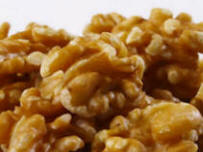
How To Grow Organic Walnuts - One Of The Top10 Super-Foods. A gardening article featured by the Lifestyle directory at Resources For Attorneys, a legal and lifestyle portal.

(SACRAMENTO, CALIF.) SEPTEMBER 13, 2005 - Many think melatonin is something you can take to fall asleep after long airplane flights, but scientists are studying how this powerful antioxidant actually fights diseases like cancer, may impact diseases associated with aging and likely will allow people to live healthier lives. Research at The University of Texas Health Science Center in San Antonio has proven walnuts are a natural source of melatonin.

According to Russel J. Reiter, Ph.D., Professor of Neuroendocrinology at The University of Texas Health Science Center at San Antonio, "The ingredients in walnuts would be expected to reduce the incidence of cancer, delay or make less severe neurodegenerative diseases of aging, including Parkinsonism, Alzheimer's disease and reduce the severity of cardiovascular disease." Published in the September issue of Nutrition: The International Journal of Applied and Basic Nutritional Sciences, the study is titled "Melatonin in walnuts: Influence on levels of melatonin and total antioxidant capacity of blood."

Dr. Reiter's study found walnuts are a potent source of melatonin, which is easily absorbed in the body. "When walnuts are consumed, blood levels of melatonin increase threefold," notes Reiter. Studies have shown walnuts reduce the risk of heart disease due to their combination of healthy nutrients, including omega-3 fatty acids and antioxidants. Reiter believes it is the synergy among the ingredients in walnuts - the combination of nutrients plus the melatonin that makes them so beneficial. "Melatonin and omega-3s, both of which are in walnuts, starve cancers because they prevent the growth of cancer cells. When you take melatonin as a tablet, you are exclusively getting melatonin. I think the value of the walnut is the composite of what it contains."

University of Texas Health Science Center Press Release: 

Walnuts contain melatonin, research shows

(SAN ANTONIO, TEXAS) SEPTEMBER 13, 2005 - The next time you reach for salad greens and dressing, you might consider adding some walnuts. New research out of The University of Texas Health Science Center at San Antonio shows that walnuts contain a fair amount of melatonin, a hormone that protects our cells against oxidative damage.

"Relatively few foods have been examined for their melatonin content," said Russel Reiter, Ph.D., professor of cellular and structural biology at the Health Science Center. "Our studies demonstrate that walnuts contain melatonin, that it is absorbed when it is eaten, and that it improves our ability to resist oxidative stress caused by toxic molecules called free radicals."

The research is reported in the September issue of the journal Nutrition.

Many diseases of aging, including cataracts, Alzheimer's disease and Parkinson's disease, have a free-radical component, Dr. Reiter said. A primary theory of aging states that aging and its associated degenerative changes are consequences of free-radical damage. Melatonin acts like a cellular "Pac-Man" gobbling up free radicals before they can cause harm.

"Melatonin is found in all vertebrates and invertebrates, even in algae, slime molds and bacteria," Dr. Reiter said. "In 1995, a couple of publications appeared showing that it also is present in plants. So, we not only produce it in our bodies, but we eat it in our diets." Walnuts also contain large amounts of omega-3 fatty acids, which have been shown to inhibit certain types of cancer and to be heart healthy. Melatonin also has been shown to inhibit certain types of cancer. "Maybe these two ingredients complement each other," Dr. Reiter said. He plans an upcoming study to explore this synergistic effect.

Melatonin was first described in corn, tomatoes and potatoes, which have very little of it. Walnuts are a different story. "How many walnuts would you have to eat a day to benefit in terms of their melatonin content? We really don't know," Dr. Reiter said. "The bottom line is, now we know that walnuts have another ingredient that is healthy, namely, melatonin."

Eating a good, nutritious diet containing a variety of nutrient-rich foods is undoubtedly better than trying to get those beneficial ingredients from supplements. "It's the package deal," Dr. Reiter said. "In walnuts it's not only the melatonin that is healthy, but the other ingredients. It's really the composite of the nut that makes it healthy, not one ingredient."

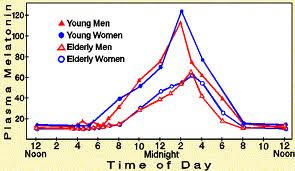
Melatonin is perhaps more famous as a sleep aid. The pineal gland in the brain secretes a little of it during the day and more at night. The nighttime rise is most important. As we get older, our nighttime melatonin levels wane, often wreaking havoc on regular sleep patterns.

Free-radical damage increases as we age, while melatonin decreases. "I'm not going to suggest that if we boost our melatonin level we can defer age-related conditions," Dr. Reiter said. "But it is worth asking this question: Is the loss of melatonin, an important anti-oxidant, of any consequence in terms of us developing free-radical-related diseases? In the lab, we can use pure melatonin to forestall a lot of free-radical damage."

For example, adding melatonin to the diet of newborn rats that are susceptible to cataracts prevents cataracts from forming, he observed.

The finding that walnuts contain melatonin is important. "We don't know the half of it yet," Dr. Reiter said.

The California Walnut Industry provided a grant to support Dr. Reiter's research.


Walnuts – are an excellent source of plant based omega 3 fatty acids, known for fighting heart disease. They are also packed with micronutrients, antioxidants and plant sterol, which lower cholesterol.
Walnuts also provide protein and phosphorus as well as vitamins B and D. Eat nuts in moderation though as they are quite high in calories – perhaps a handful up to five times a week. Oil made from the nuts is delicious in salads or on pasta dishes.

Common walnut (Juglans regia) is a beautiful, slow growing, deciduous tree that may grow to around 15meters/50feet tall with a spread of about 10meters/30feet. Because of it’s potential mature size give some thought to its permanent position as not all back yards are able to accommodate such a tree. Even though they will tolerate heavy pruning, they shouldn’t be planted near drains or buildings.
It is a cool-climate tree and prefers a sunny position. The mature tree is quite frost hardy, but young plants and new spring growth are vulnerable to frost damage. Walnut trees prefer deep, rich, well drained soils with regular watering through summer and plenty of light.

Please read the autoimmune E-Book for permanent treatment guidelines.

atmospheric co2 levels on earth


Locations of visitors to this page


Sand Bath

 Glutathione

 Sulphur Bath

 Massage & Cancer Cure

 Quick Heart Cure

 Say No TO FORCED vaccination

  Massage Benefits Parkinson

 Curry Powder

 Water chesnut  amazing food from water

 Sweet potatoes  highest vitamin e

 Beet Root  anti cancer

research in autoimmune diseases

 Quran page