Hallelujah Diet
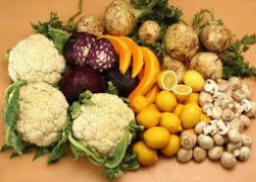
The nutritional and health information that follows is based on the teachings of God's Holy Word -- the Bible,
By replacing dead, processed food with fresh, healthy fruits and
vegetables, you're giving your body the fuel it needs to renew its
living cells. And that means your body will be healthier, stronger,
and more powerful - no matter what your age!l, "And God said,
Behold, I have given you every herb bearing seed, which is upon the
face of all the earth, and every tree, in the which is the fruit of
a tree yielding seed; to you it shall be for [food]"
Genesis 1:29
Genesis 1:29 is God's original diet for mankind. In it, He gives man a plant-based diet of foods packed with living enzyme - the life force that enables the body to regenerate its living cells at a stable or improved state.
The Hallelujah Diet is a menu of 85% raw, uncooked, and unprocessed plant-based food, and 15% cooked, plant-based food.
Why Plant-based Foods?
The design of the human body is not like that of carnivorous mammals; our digestive tract was not designed to properly digest and dispose of meat. Carnivorous mammals have a relatively short and straight digestive tract that eliminates meat waste efficiently.
Herbivores and humans have a much longer digestive tract that includes many bends and pockets. Because our stomach acid is not designed to completely break down meat (as it does with plant based foods), undigested meat can get trapped in these bends and pockets. Here it can putrefy for days, delaying elimination and thus causing toxicity-a key component of disease creation.
Where is the Evidence?
The Hallelujah Diet is based on the physical nourishment as intended from our Provider in Genesis 1:29: "And God said, Behold, I have given you every herb bearing seed, which is upon the face of all the earth, and every tree, in the which is the fruit of a tree yielding seed; to you it shall be for meat [food]"
Below find basic details of the diet that thousands of people have used to regain their health.
BREAKFAST: Whole fruits, nuts, green tea, sometimes a whole egg, whole cereals and oats on alternating days
LUNCH: Fruits, vegetables, water, home made juices. Lightly cooked meals in corn oil, coconut oil, butter oil. Drink cold olive oil.
SUPPER: Whole brown rice, fish, whole meats, vegetables, fruits, whole bread.
The Hallelujah Diet is a menu of 85% raw, uncooked, and unprocessed plant-based food, and 15% cooked, plant-based food.
Why Plant-based Foods?
The design of the human body is not like that of carnivorous mammals; our digestive tract was not designed to properly digest and dispose of meat. Carnivorous mammals have a relatively short and straight digestive tract that eliminates meat waste efficiently.
Herbivores and humans have a much longer digestive tract that includes many bends and pockets. Because our stomach acid is not designed to completely break down meat (as it does with plant based foods), undigested meat can get trapped in these bends and pockets. Here it can putrefy for days, delaying elimination and thus causing toxicity-a key component of disease creation.
As detailed in The Hallelujah Diet book, food has the amazing power to both create and destroy health. The dense, living nutrients found in a diet of primarily raw, plant-based foods and their juices are the ingredients needed to meet and satisfy your cells' nutritional needs, restore damaged cells and rebuild whole-body health that will last a lifetime.
Where is the Evidence?
The Hallelujah Diet is based on the physical nourishment as intended from our Provider in Genesis 1:29: "And God said, Behold, I have given you every herb bearing seed, which is upon the face of all the earth, and every tree, in the which is the fruit of a tree yielding seed; to you it shall be for meat [food]"
As commonly recommended by health professionals, The Hallelujah Diet includes eating more fruits and vegetables, drinking more water, eating less saturated fats and hydrogenated oils, consuming more fiber, getting more exercise and alleviating stress; The Hallelujah Diet is supported by research studies that validate its foundation as a means toward eliminating sickness.
As shown in the thousands of testimonials we've received, the Hallelujah Diet has helped relieve the symptoms of acid reflux, obesity, cancer and more.
Below is a basic guideline of foods eaten on The Hallelujah Diet. For more information, see the Foods to Avoid page also see the typical diet plan.
The 85% Raw Portion
This portion of The Hallelujah Diet is composed exclusively of the garden foods God instructs man to eat (Genesis 1:29). The dense living nutrients found in raw foods and their juices produce abundant energy and vibrant health while satisfying our cells' nutritional needs, controlling hunger efficiently.
- Beverages: Freshly extracted vegetable juices, BarleyMax, CarrotJuiceMax, BeetMax, and remineralized distilled water
- Dairy Alternatives: Fresh almond milk, creamy banana milk, as well as frozen banana, strawberry, or blueberry "fruit creams"
- Fruit: All fresh, as well as unsulphured organic dried fruit (limit fruit to no more than 15% of daily food intake)
- Grains: Soaked oats, raw muesli, dehydrated granola, dehydrated crackers
- Beans: Green beans, peas, sprouted garbanzos, sprouted lentils, and sprouted mung beans
- Nuts & Seeds: Raw almonds, sunflower seeds, macadamia nuts, walnuts, raw almond butter or tahini (consume sparingly)
- Oils and Fats: Extra virgin olive oil, Udo's Oil, flaxseed oil (the oil of choice for people with cancer, except men with prostate cancer, who may be better served meeting the essential fat needs through freshly ground flaxseed), and avocados
- Seasonings: Fresh or dehydrated herbs, garlic, sweet onions, parsley, and salt-free seasonings
- Sweets: Fruit smoothies, raw fruit pies with nut/date crusts, date-nut squares, etc.
- Vegetables: All raw vegetables
- Soups: Raw soups
Take Flaxseed oil
Avoid cooked food as much as possible.
Other considerations:
- A Vitamin B-12 supplement is essential for anyone who goes on a strictly vegetarian diet for an extended period of time. This is because of the excessive handling and washing using chlorinated water that our produce receives today. Sublingual methylcobalamin is the best method for a person committed to a pure vegetarian diet to obtain their vitamin B12.
2- Please see our diet guidelines based upon the Bible and holy books. in the diet link above .
Read more about OUR links below
- Clay baths
- Steaming Sand Baths
- Coconut oil Benefits
- Deodorants cancer
- Toxic Lipstick
- Niacin deficiency
- Vitamin -D
- Vitamin-C
- Vitamin-E
- Spiritual illness
- Electronic stimulation
- Electronic cures
- Hyperacusis
- Spine
- Breast self exam
- ACV
- Healthy Oils
- Feet Home
- Beauty Tips for Women
- Celiac disease
- Right Fat Diet
- Apple juice
- Vinegar Benefits
- Supplements
- Cupping
- Alzheimers
- CMT neuropathy
- Phosphorous
- Energy drinks
- Say No TO FORCED vaccination
- LeRoy Franco
- Asofoendtida
- Peppers
- Bitter Gourd and ITP
- Longevity
- DHEA
- Curry Powder
- Water chestnut
- Beet Root anti cancer
- Green tea and cancer risk
- Dementia and exercise
- Sleep and stay fit
- avoid episiotomomy
- FLU SHOT NO
- Hyperacusis
- Spine
- Narcolepsy
- Eclampsia & autoimmune
- Multiple Medications
- Healthy Oils
- Sulfur baths
- Caly baths
- Steaming Sand Baths
- Soccer Player & Arthritis
- Body Building supplements
- Athlete gets GBS
- Chromium in Health
- Colostrum