
Intratympanic dexamethasone for sudden sensorineural hearing loss after failure of systemic therapy.
Steroid injection in Ear 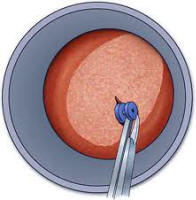 |
Vanderbilt University Medical Center/The Otology Group of Vanderbilt, Nashville, Tennessee 37232, USA. david.haynes@vanderbilt.edu
OBJECTIVE: Intratympanic steroids are increasingly used in the treatment of inner ear disorders, especially in patients with sudden sensorineural hearing loss (SNHL) who have failed systemic therapy. We reviewed our experience with intratympanic steroids in the treatment of patients with sudden SNHL to determine overall success, morbidity, and prognostic factors. HYPOTHESIS: Intratympanic steroids have minimal morbidity and the potential to have a positive effect on hearing recovery in patients with sudden SNHL who have failed systemic therapy. STUDY DESIGN: The authors conducted a retrospective review. METHODS: Patients presenting with sudden SNHL defined as a rapid decline in hearing over 3 days or less affecting 3 or more frequencies by 30 dB or greater who underwent intratympanic steroids therapy (24 mg/mL dexamethasone) were reviewed. Excluded were patients with Meniere disease, retrocochlear disease, autoimmune HL, trauma, fluctuating HL, radiation-induced HL, noise-induced HL, or any other identifiable etiology for sudden HL. Patients who showed signs of fluctuation of hearing after injection were excluded. Pretreatment and posttreatment audiometric evaluations including pure-tone average (PTA) and speech reception threshold (SRT) were analyzed. Patient variables as they related to recovery were studied and included patient age, time to onset of therapy, status of the contralateral ear, presence of diabetes, severity of HL, and presence of associated symptoms (tinnitus, vertigo). A 20-dB gain in PTA or a 20% improvement in SDS was considered significant. RESULTS:: Forty patients fit the criteria for inclusion in the study. The mean age of the patients was 54.8 years with a range from 17 to 84 years of age. Overall, 40% (n = 16) showed any improvement in PTA or SDS. Fourteen (35%) men and 26 (65%) women were included. Using the criteria of 20-dB improvement in PTA or 20% improvement in SDS for success, 27.5% (n = 11) showed improvement. The mean number of days from onset of symptoms to intratympanic therapy was 40 days with a range of 7 days to 310 days. A statistically significant difference was noted in those patients who received earlier injection (P = .0008, rank sum test). No patient receiving intratympanic dexamethasone after 36 days recovered hearing using 20-dB PTA decrease or a 20% increase in discrimination as criteria for recovery. Twelve percent (n = 5) of patients in the study had diabetes with 20% recovering after intratympanic dexamethasone (not significantly different from nondiabetics at 28.6%, Fisher exact test, P = 1.0). Comparison to other studies that used differing steroid type, concentration, dosing schedule, inclusion criteria, and criteria for success revealed, in many instances, a similar overall recovery rate. CONCLUSIONS: Difficulty in proving efficacy of a single modality is present in all studies on SNHL secondary to multiple treatment protocols, variable rates of recovery, and a high rate of spontaneous recovery. Forty percent of patients showed some improvement in SDS or PTA after treatment failure. When criteria of 20-dB PTA or 20% is considered to define improvement, the recovery rate was 27.5%. Modest improvement is seen with the current protocol of a single intratympanic steroid injection of 24 mg/mL dexamethasone in patients who failed systemic therapy. Dramatic hearing recovery in treatment failures was rarely encountered. No patient showed significant benefit from intratympanic steroids after 36 days when using this protocol for idiopathic sudden SNHL. If patients injected after 6 weeks are excluded from the study, the improvement rate increases from 26.9% to 39.3%. Earlier intratympanic injection had a significant impact on hearing recovery, although with any therapeutic intervention for sudden SNHL, early success may be attributed to natural history. If we further exclude seven patients treated with intratympanic steroids within 2 weeks of the onset of symptoms (i.e., study only those patients treated with intratympanic dexamethasone between 2 and 6 weeks after onset of symptoms), still, 26% improved by 20 dB or 20% SDS. The recovery rates after initial systemic failure are higher than would be expected in this treatment failure group given our control group (9.1%) and literature review. These findings indicate a positive effect from steroid perfusion in this patient population.
PMID: 17202923 [PubMed - indexed for MEDLINE]